
Water blasting is one of the fastest ways to clean driveways, decks, fences, and house exteriors. In New Zealand, it’s commonly used for residential and commercial cleaning — but when done incorrectly, high pressure water blasting can damage paint, concrete, timber, and even roofing.
If you’re planning house water blasting or driveway water blasting, this guide explains the 10 most common water blasting mistakes in NZ and how to avoid costly property damage.
Benefits of Water Blasting for Homes and Driveways
Water blasting is widely used in NZ for driveway cleaning, house washing, and commercial water blasting projects because it removes dirt, moss, and grime quickly.
When used correctly, high pressure water blasting provides fast, chemical-free cleaning for concrete, fences, and outdoor surfaces.
1. Efficient cleaning
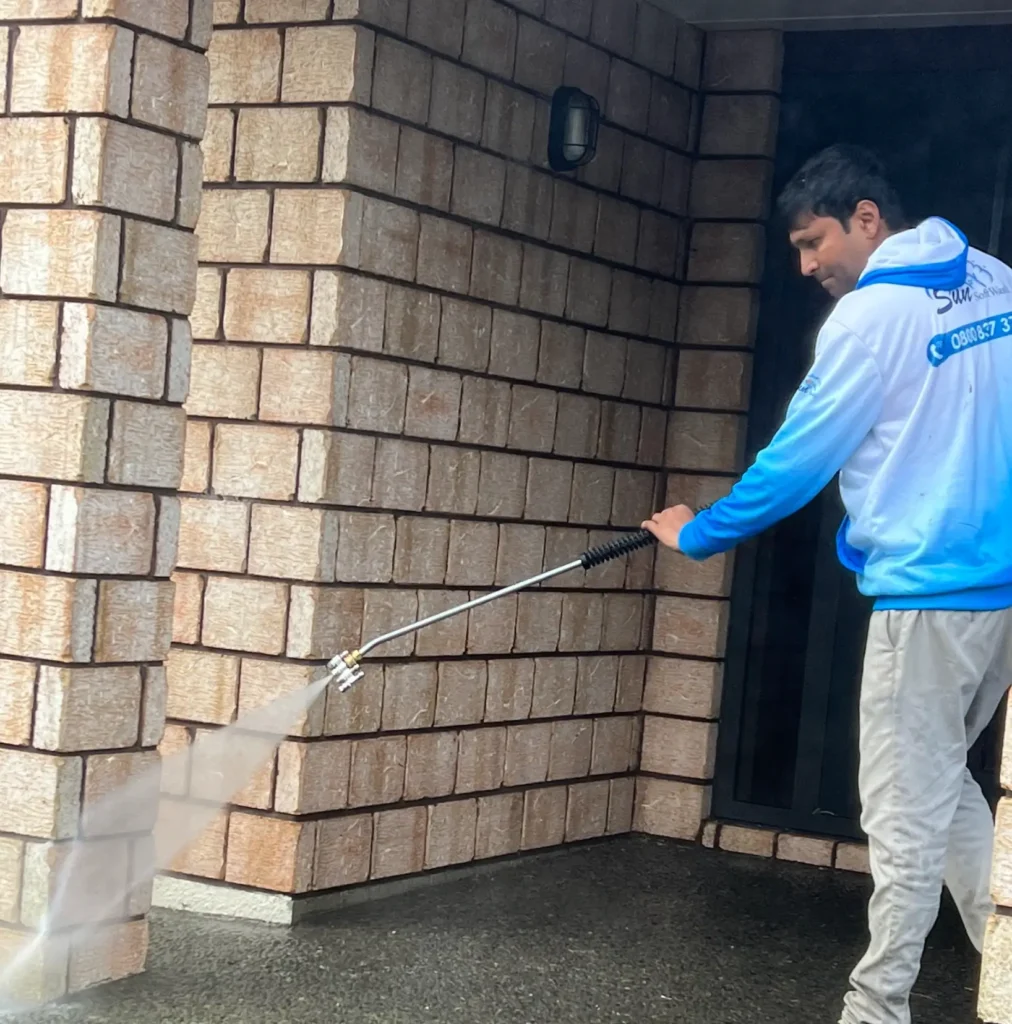
The first and foremost benefit of high-pressure water blasting is that this process is very effective. Combined with gentle soap, it takes very little time to completely clean a facade or industrial equipment.
2. Effective in hard-to-reach areas
Another important advantage of high-pressure water blasting is the possibility of cleaning very tight corners. While cleaning a commercial area, it is very hard to get to all areas of the rooms; nonetheless, such a task is easy if one uses high-pressure cleaning.
The high-pressure water jets enter your equipment and wash out all impurities with no risk of causing harm to the equipment. Hire a house washing expert to get your plant looking as good as new!
3. Impeccable precision
The hose which has water with pressure is flexible to ensure a particular area is washed with a stream of water. The flow can also be regulated depending on the area that is needed for cleaning and possesses a rather high degree of accuracy.
10 Common Water Blasting Mistakes Homeowners Make in NZ
Avoid these ten common water-blasting mistakes to reduce the danger of property damage or injury.
1. Spraying Straight at the Surface
This mistake is common when driveway water blasting and can force dirt deeper into concrete or timber.
When water blasting, approach the surface to be cleaned at an angle. It’s to remove the dirt up above the surface so it can be washed off. If you throw the water directly at a filthy surface, you just compost the dirt even farther into the object being washed. This is especially true on porous materials such as wood or concrete.
Really tough stains and ground-in dirt may require moving the spray head around to attack from different directions, but there should always be some angle there to “scoop” away the dirt.
If you don’t spray at an angle, you’ll likely end up with blowback dirt flying around. It’s never enjoyable to get a face full of wet muck, and if you’re not wearing safety glasses some of it could land in your eye.
2. Ignoring Safety When Using a Water Blaster
High pressure water blasting can cause serious injury if misused.
Water Blasters may look like oversized squirt guns, but they are definitely not toys. A narrow stream of water discharged at several thousand pounds per square inch (PSI) can slice through flesh almost as efficiently as a saw.
Even worse, the high pressure drives water and dirt deep into the tissue, often leading to infection.
Another common mistake often occurs on hot summer days: failing to wear close-toed shoes. Sandals may be more comfortable, but a minor lapse of attention might send you to the hospital. And it’s a big mistake to forget safety glasses.
3. Water Blasting House Siding from Below
This is one of the main causes of water blasting damage to houses in NZ.
Choosing the right pressure washer nozzle tip is an important safety measure and work efficiency measure that is often done incorrectly.
It is for this reason that there is so much advice that one can get whenever they are wondering what they can or they cannot pressure wash.
Generally, you can water blast almost anything as long as you’re using the right nozzle! Nozzles change the angle and spread of the spray, which affects the PSI coming out of the wand. A wider angle creates a lower pressure.
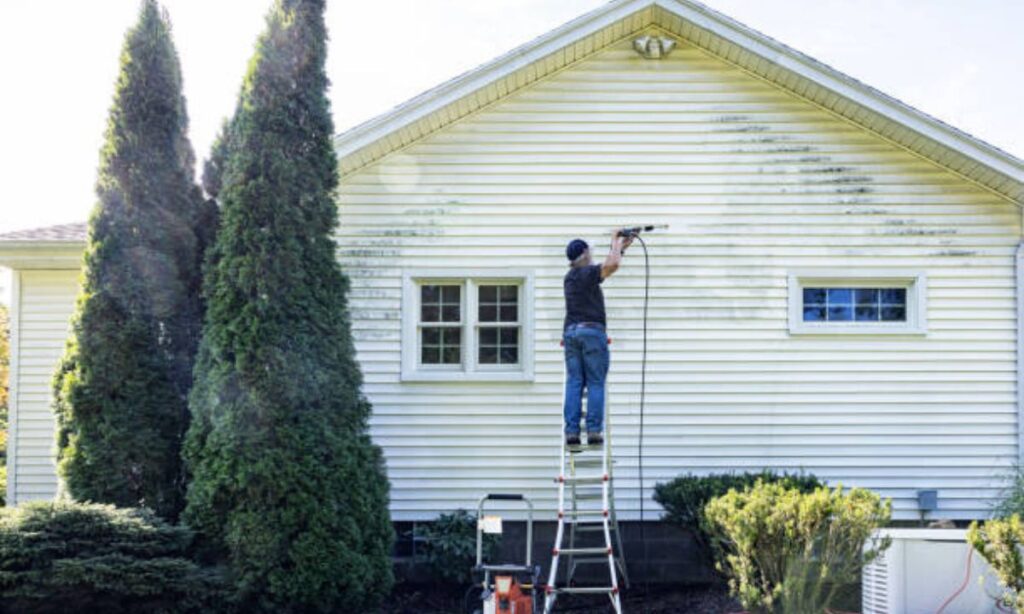
4. Spraying Upward Against Siding
When water blasts your home, never direct the spray upward into the siding. Siding channels water down from the roof to the foundation.
It’s intentionally left open on the bottom so that any water that penetrates its barrier harmlessly drains out. Spraying from below forces water into those gaps between the siding and the house — a surefire recipe for disaster. Find out why should not water blast your roof.
The best solution is to remain on the ground and use a solid or telescoping extension wand. Don’t hop on a ladder. The kickback from water blasting can potentially send you tumbling to the ground.
Look for extension wands with a pronounced downward angle or slight curve. That will allow you to direct the spray top to bottom or along the face of the siding.
5. Pressure Overload
Water blaster pumps generate a closed system of pressurized water. When you pull the trigger on the spray gun, that pressure is released.
But what happens when you’re not pulling that trigger? The pressure can’t be allowed to build up in one spot, so a bypass valve re-directs water away from the spray gun and back into the system.
It’s a solution that comes with one downside: temperature. All that re-directed water is continuously heated as it circulates through the system.
Eventually, it gets hot enough to damage the pump, leading to early burn-out and a costly repair. (Some models avoid this issue by using ceramic-lined parts, but those generally aren’t in the consumer-grade price range.)
6. Using a Gas-Powered Water Blaster for Indoors
Petrol-powered water blasters are more powerful and portable than corded electric models, making them a favorite for professionals and DIYers in areas without electricity.
They also produce carbon monoxide, and should never be used without proper ventilation. Get to know why your petrol-powered pressure washer won’t start.
A study published in the Journal of Emergency Medicine concluded that water-blaster-related carbon monoxide poisonings spike after natural disasters as homeowners and contractors clean out damaged basements.
Always follow the manufacturer’s recommendations for using a water blaster. When in doubt, take a professional water-blasting service
7. Not Checking Pressure Ratings
You need to be positive that your hose, fittings, and lance can handle the output pressure of the pump. You’ll be able to find the respective pressure ratings printed on the hose and lance. Make sure the printed ratings on each piece are greater than or equal to the pressure rating of the pump you’re using.
8. Not Throwing Away Compromised Hoses or Lances
If your hose or lance has been compromised in any way, it increases the chances of a harmful accident occurring while blasting.
Inspect your hose and lance thoroughly each time before using. If the hose gets crimped or develops noticeable nicks or pits, it should be removed, cut in half, and thrown away.
Any bend in the barrel rod of the lance—no matter how small—means the integrity of the inner walls of the lance has been compromised, and the lance must be replaced.
9. Neglecting Safety Precautions
Treat Water Injections Like a Snake Bite – you may not think that an accidental injection from water would be cause for such concern—after all, it’s just water—but it should be treated like a serious injury.
Even though the injection may be small with no apparent bleeding, you have essentially introduced micro-organisms directly into your bloodstream.
10. Not Hiring a Professional Water Blasting Service
Professional water blasting services use the correct pressure for concrete, decks, and house exteriors.
Each of these homes poses its own challenges for any water blasting company. Many of the challenges can not be identified until you are actually on-site.
It would certainly be easier to provide a quick quote over the phone but, it could lead to nasty surprises for both the homeowner and the contractor.
Reputable house-washing companies never give quotes without first physically visiting the property. Most house washing companies like Sun Sofwash charge by a combination of the time required to achieve the desired result and the overall size of the property.
Water Blasting Tips for Beginners
- Start Slow: Begin with lower pressure to avoid damage.
- Test First: Always test on a small area to gauge the effect.
- Keep Distance: Stay 2-3 feet from the surface to prevent injury or damage.
- Use Proper Angle: Angle the spray to lift dirt rather than pushing it in.
When to Hire a Professional Water Blasting Service
- High Areas: For multi-story buildings or rooftops, professionals ensure safety.
- Delicate Surfaces: Sensitive materials like painted surfaces need the right pressure.
- Difficult Tasks: For stubborn stains or large areas, experts use the correct techniques and tools.
The Environmental Impact of Water Blasting
- Water Usage: Excess runoff can carry contaminants to drains.
- Eco-Friendly Solutions: Professionals use environmentally safe detergents and manage runoff properly to reduce environmental harm.
Common Applications for Water Blasting
- Residential: Driveways, patios, roofs, siding, and gutters.
- Commercial: Industrial equipment, machinery, parking lots, and warehouses.
Maintenance Tips for Your Water Blaster
- Clean Nozzles: Prevent clogs by cleaning the nozzle regularly.
- Inspect for Leaks: Check hoses and fittings for wear and leaks before use.
- Proper Storage: Store in a dry area to prevent rust and damage.
Water Blasting vs Other Cleaning Methods
- Pressure Washing: Water blasting uses higher pressure for tougher stains.
- Steam Cleaning: Steam is gentle but slower, while water blasting cleans faster.
- Manual Scrubbing: Water blasting is much quicker and less labor-intensive.
Does Water Blasting Damage Your House?
Water blasting can damage your house if the pressure is too high or used on the wrong surface. Painted walls, wooden decks, roof tiles, and older concrete are especially vulnerable.
That’s why professional water blasting companies in NZ use adjustable pressure and surface-specific techniques for house washing and driveway cleaning.
Frequently Asked Questions (FAQ) about Water Blasting
1. Can water blasting damage concrete or paint?
Yes, water blasting can damage concrete and paint if the pressure is too high or used incorrectly. High pressure water blasting can strip paint, etch concrete, and loosen mortar or surface coatings.
This is especially common on older driveways and painted house exteriors. Using the correct pressure and technique is essential to avoid permanent damage.
2. What surfaces can’t be cleaned with water blasting?
While water blasting is effective for many surfaces, some delicate materials require caution. Avoid water blasting on:
- Wooden surfaces: High pressure can damage the wood fibers, causing them to splinter or warp.
- Delicate painted surfaces: Pressure can strip paint or cause peeling.
- Glass or windows: The high force of water could crack or break the glass.
- Soft or porous surfaces: Water blasting may drive dirt further into the material.
Always assess the surface condition and consult professionals before water blasting delicate materials.
3. How long does house water blasting take?
House water blasting usually takes between 1 to 3 hours depending on the size of the home, the level of dirt or mould, and access around the property.
Larger homes or properties with heavy buildup on walls, driveways, or fences may take longer to clean thoroughly and safely.
4. Is residential water blasting safe in New Zealand?
Residential water blasting in New Zealand is safe when done properly using the right equipment and pressure settings. However, incorrect use can cause water intrusion, paint damage, or surface erosion.
That’s why many homeowners choose professional services that adjust pressure based on surface type and condition.
5. Should I hire a professional water blasting service?
Hiring a professional water blasting service helps ensure your home, driveway, and outdoor surfaces are cleaned without damage.
Professionals use commercial-grade equipment, surface-specific techniques, and proper safety measures to achieve better results than DIY water blasters while reducing the risk of costly repairs.
Conclusion
Water blasting is effective for cleaning driveways, fences, and house exteriors, but only when done correctly. Using too much pressure or the wrong technique can cause expensive damage.
If you’re unsure how to safely clean your home, driveway, or commercial property, hiring a professional water blasting service ensures the right pressure, equipment, and results — without risk.

