
The best way to wash a house exterior depends on the type and condition of the surface.
For many painted, plastered and delicate exteriors, low-pressure house washing or soft washing is usually the safer option. Pressure washing is better suited to stronger surfaces such as concrete, some brickwork and paved areas.
Before choosing a method, consider the cladding material, paint condition, property age and the type of mould, algae, salt or dirt you need to remove.
Quick Answer: Should You Soft Wash or Pressure Wash a House?
For most residential house cladding, start with the gentlest effective cleaning method.
Soft washing uses low water pressure together with an appropriate exterior-cleaning treatment. The treatment loosens mould, algae and grime, so the surface does not need to be cleaned using excessive water force.
Pressure washing relies more heavily on water pressure. It can be effective on durable outdoor surfaces, but unsuitable pressure may damage paint, timber, seals, weak mortar and some cladding systems.
As a general guide:
- Use low-pressure house washing for painted cladding, weatherboards and delicate exterior finishes.
- Use pressure washing cautiously on durable surfaces such as concrete and paving.
- Follow the cladding or coating manufacturer’s maintenance instructions.
- Arrange a professional inspection for damaged, cracked, older or difficult-to-access surfaces.
There is no single washing method that is appropriate for every New Zealand home.
What Is the Difference Between Soft Washing and Pressure Washing?
Although the terms are sometimes used interchangeably, soft washing and pressure washing clean surfaces differently.
Soft Washing
Soft washing combines low-pressure water with a surface-appropriate cleaning treatment. The purpose is to loosen and remove organic growth without using unnecessary force.
It may be suitable for removing:
- Mould
- Mildew
- Algae
- Lichen
- General exterior grime
- Salt and atmospheric residue
Because it uses less force, soft washing is often the preferred method for residential house washing.
Pressure Washing
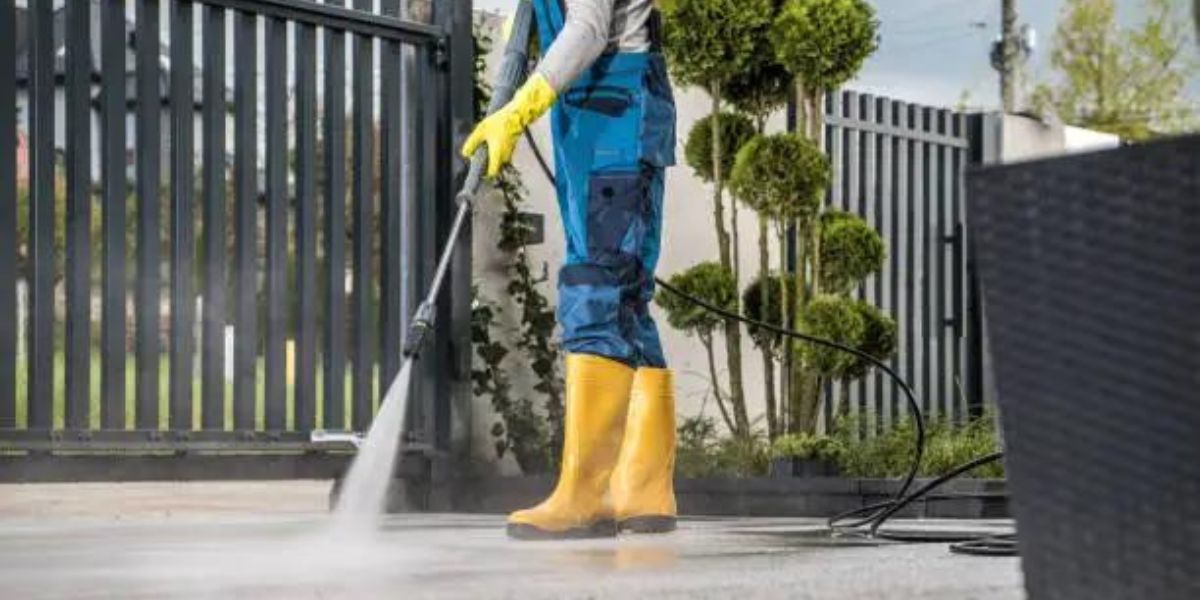
Pressure washing uses stronger water pressure to remove dirt and surface buildup. It can work well on hard, durable areas where the material and condition allow it.
Common applications include:
- Concrete driveways
- Some paths and paved areas
- Certain brick surfaces
- Durable outdoor hardscaping
Pressure washing should not automatically be used across the entire house. The safest pressure level and cleaning method depend on the surface being cleaned.
Which House-Washing Method Is Suitable for Each Surface?
Different exterior materials require different levels of care.
1. Painted Weatherboards
Painted weatherboards generally require a gentle approach. Excessive pressure may affect loose paint, surface coatings or joints.
Inspect the paint condition before washing. Peeling, bubbling or cracked paint may need repair rather than stronger cleaning.
2. Plaster and Monolithic Cladding
Plaster and monolithic surfaces should be checked for cracks, damaged coatings and possible moisture-entry points before washing.
A low-pressure method is generally more appropriate than forceful water blasting. Any existing defects should be assessed before the surface becomes saturated.
3. Brick
Brick can appear durable, but the condition of the mortar matters. Older, cracked or deteriorating mortar may be damaged by excessive water pressure.
Test any cleaning method carefully and avoid assuming that all brickwork can withstand the same treatment.
4. Timber
Timber surfaces can mark, splinter or become rough when cleaned too aggressively. The appropriate method depends on whether the timber is painted, stained, sealed or untreated.
A gentle test area should be completed before cleaning the full surface.
5. Concrete and Paving
Concrete and paving are generally better candidates for pressure washing than painted house cladding.
However, strong pressure can still produce uneven marks or affect damaged concrete. Oil, rust and deeply embedded stains may also require a treatment designed for that specific problem.
6. Roofs, Upper Storeys and Difficult Areas
Roof washing, upper-storey work and areas near electrical fittings create additional safety and property risks.
These areas are normally better handled by trained professionals with suitable access equipment, surface knowledge and runoff controls.
Signs Your House Exterior Needs Washing
A house does not need to follow an exact cleaning calendar. Its condition is usually a better guide.
Look for:
- Green or black organic growth
- Mould around shaded areas
- Salt residue on exposed surfaces
- Dirt below gutters and window frames
- Discolouration on weatherboards or cladding
- Slippery growth on paths, steps or entrances
- A dull exterior that no longer looks clean after rain
Cleaning growth early may be easier than waiting until it has spread across a larger area.
What to Check Before Washing Your House
Before beginning any exterior house washing, check:
1. The Cladding Type
Different cladding systems have different cleaning and maintenance requirements. When possible, follow the manufacturer’s recommendations.
2. Paint and Coating Condition
Inspect for flaking paint, cracks, exposed timber, loose sealant and damaged areas. Washing will not repair an existing coating failure.
3. Windows and Doors
Check seals, frames and openings. Avoid directing water into gaps or behind exterior materials.
4. Electrical Areas
Exterior lights, outlets, heat-pump units and other electrical components should be protected from water exposure.
5. Plants and Outdoor Areas
Plants, furniture, vehicles, pets and nearby surfaces may need to be moved or protected. Cleaning products should be selected and managed responsibly.
6. Access and Height
Do not treat upper-storey washing as a simple ground-level DIY job. Wet surfaces, ladders, hoses and equipment can create serious safety risks.
Is Pressure Washing the Best Way to Clean a House Exterior?
Not in every situation.
Pressure washing can be useful for durable outdoor surfaces, but it is not automatically the safest method for painted or delicate house cladding.
In many cases, a controlled low-pressure or soft-washing process provides effective exterior house cleaning with less risk of surface damage.
The best method is the one selected after considering the surface, condition and type of contamination.
How to Clean a House Exterior Safely
The exact process depends on the surface, so there is no universal step-by-step method for every property.
A safer general process is:
1. Inspect the Exterior
Identify the cladding, coating condition, damaged areas and type of buildup.
2. Check the Manufacturer’s Instructions
Follow any cleaning and maintenance guidance supplied by the cladding, paint or coating manufacturer.
3. Protect Surrounding Areas
Move outdoor items and protect sensitive plants, electrical fittings and nearby surfaces.
4. Test a Small Area
Test the selected method in a small, less visible area before cleaning the full exterior.
Check for changes in colour, texture, paint condition or surface finish.
5. Use the Gentlest Effective Method
Do not increase the water pressure simply because a stain is difficult to remove.
Some stains require an appropriate treatment, more contact time or professional assessment rather than greater force.
6. Rinse Carefully
Rinse the surface in a controlled way and avoid forcing water into joints, vents, windows or damaged areas.
7. Inspect the Result
After cleaning, check for missed areas, remaining growth and signs of surface damage.
DIY House Washing vs Hiring a Professional
Some light exterior cleaning may be manageable for homeowners. However, DIY work becomes less suitable when the house has delicate cladding, damaged coatings, multiple storeys, heavy organic growth or difficult access.
DIY May Be Suitable When:
- The area is small and accessible from the ground.
- The surface is in good condition.
- You understand the manufacturer’s cleaning guidance.
- No specialised equipment or height access is required.
- You can protect nearby property, plants and electrical components.
Professional House Washing May Be Better When:
- The property has multiple storeys.
- You are unsure about the cladding material.
- Paint or plaster is damaged.
- There is heavy mould, algae or lichen growth.
- Water could enter through cracks, joints or seals.
- The property requires specialised access.
- You want the house, paths, driveway and other areas cleaned together.
A professional should be able to explain why a particular method is suitable for your property rather than applying high pressure to every surface.
How Often Should You Wash a House Exterior in New Zealand?
There is no universal schedule for every home.
The right frequency depends on:
- Local humidity and rainfall
- Coastal salt exposure
- Shade and surrounding trees
- The direction the house faces
- Cladding and paint condition
- Nearby traffic, dust or construction
- Previous mould and algae growth
Homes in damp, shaded or coastal environments may show buildup sooner than properties in more open and dry locations.
Instead of washing automatically on a fixed date, inspect the exterior regularly and arrange cleaning when visible growth, salt, staining or grime begins to develop.
Common House-Washing Mistakes to Avoid
1. Using High Pressure on Every Surface
A pressure washer is not a universal cleaning tool. A setting that works on concrete may damage paint, timber or older mortar.
2. Cleaning Without Inspecting First
Cracks, peeling paint and weak seals should be identified before water is applied.
3. Moving Too Close to the Surface
Reducing the distance between the nozzle and the exterior increases the force hitting the surface and may cause permanent marks.
4. Treating Stains With More Pressure
A stubborn stain may need a suitable cleaning treatment rather than additional water force.
5. Ignoring Plants and Runoff
Plants, garden areas and neighbouring surfaces should be considered before any cleaning treatment is applied.
6. Working at Height Without Proper Equipment
Trying to manage a pressure washer while standing on a ladder can create a significant safety risk.
How do I choose a professional house washer?
Ask the company:
- What cleaning method they recommend for your cladding
- How they protect plants and surrounding areas
- Whether they are insured
- How they manage upper-storey access
- Whether they can show examples of similar work
- What is included in the quote
The company should be able to explain its process clearly.
Frequently Asked Questions
Can I pressure wash my house?
It depends on the cladding, coating and condition of the property. Some surfaces tolerate controlled pressure, while others require a gentler washing method.
Is soft washing better than pressure washing?
Soft washing is often more appropriate for residential cladding because it relies on a cleaning treatment and lower water pressure. Pressure washing may be more suitable for concrete and other durable surfaces.
What should I use to clean the exterior of my house?
Use a product that is suitable for the exact surface and follow its instructions. Avoid mixing cleaning chemicals or applying a product when you are unsure how it may affect paint, plants, metal, glass or surrounding areas.
Can I wash a house using water only?
Water may remove loose dust, but mould, algae and established organic growth may require a suitable treatment. The method should still be appropriate for the surface.
How do I choose a professional house washer?
Ask what method they recommend for your cladding, how they protect surrounding areas, whether they are insured and whether they can show examples of similar house-washing work.
Professional House Washing in New Zealand
The safest way to wash a house exterior depends on the cladding, paint condition, access and type of buildup.
Low-pressure or soft washing is often suitable for residential cladding, while controlled pressure washing may be used on durable surfaces such as concrete and paving.
Sun Softwash provides exterior house washing in Auckland, Hamilton and Tauranga. Our team assesses the surface and condition of the property before selecting an appropriate cleaning method.
Contact Sun Softwash to request a house-washing assessment and quote.
