
After pest control treatment, cleaning requires caution. Vacuuming too soon can remove protective chemicals. Wait at least 24-48 hours before vacuuming treated areas.
Avoid steam cleaning for a week, as moisture can dilute pesticides. Focus on dry cleaning methods first. Always check with your pest control provider for specific guidelines.
Proper post-treatment cleaning ensures the pesticides work effectively while keeping your home safe. Follow these simple do’s and don’ts for best results.
Sun Softwash is here with a complete, guide Keep reading!
Can I Vacuum After Pest Control? Do’s and Don’ts for Post-Treatment Cleaning: Explained
No, it’s recommended to wait at least 24-48 hours before vacuuming after a pest control treatment. This allows the pesticides to fully settle and maintain their effectiveness.
After a pest control treatment, it’s important to wait before vacuuming to ensure the pesticides remain effective. Most pest control professionals recommend waiting 24-48 hours before vacuuming. This gives the chemicals time to dry and settle, ensuring that the treatment provides lasting protection.
The exact waiting period depends on the type of treatment:
- Liquid sprays need 2-3 days to dry completely.
- Dust formulations may require even more time to settle effectively.
Avoid steam cleaning or wet mopping for at least a week, as moisture can disrupt the pesticides. When you do vacuum, use a machine with a HEPA filter and dispose of the vacuum contents immediately outside to prevent any chance of re-infestation. Focus on areas like baseboards, cracks, and crevices where pesticides are often applied.
Always follow your pest control service’s specific guidelines to ensure maximum effectiveness. By waiting and cleaning properly, you’ll maintain a pest-free home while keeping your space safe and sanitary.
Why Is It Important To Wait before Vacuuming After Pest Control?
The waiting period after pest control treatment is critical for effectiveness. Pesticides need time to dry, settle, and work, typically 24-48 hours for liquid sprays and 3-7 days for dust formulations. Vacuuming too soon physically removes these chemicals before they can eliminate pests.
The treatment creates an invisible barrier that continues working. Immediate cleaning disrupts this barrier, wasting the service. Many pesticides have residual effects that keep killing pests for days or weeks when left undisturbed.
Some pests like fleas and bed bugs hide deep in carpets. Waiting ensures they emerge and contact the poison. Vacuuming prematurely can spread eggs or live insects to other areas.
Professional exterminators apply products strategically in cracks, baseboards and carpets. These targeted applications require time to take full effect. Following their recommended waiting period ensures optimal results from your investment in pest control.
Always confirm timing with your technician, as different treatments have specific requirements. This simple patience pays off in complete pest elimination.
How Long Should You Wait to Vacuum After Pest Control?
The waiting period after pest control depends on the treatment type:
- Liquid sprays: Wait at least 24–48 hours before vacuuming to allow the pesticides to dry and take full effect.
- Dust/powder treatments: These need longer, typically 3–7 days, to work properly. Vacuuming too soon can remove the product.
- Flea treatments: Wait at least 48 hours, as eggs and larvae take time to hatch and come into contact with the pesticide.
Always check with your pest control technician, as some specialized treatments may require longer wait times. Avoid steam cleaning or deep cleaning for at least a week, as moisture can break down the chemicals.
When you do vacuum, use a HEPA filter if possible and empty the canister or bag outside immediately to prevent reinfestation. Following these guidelines ensures the treatment remains effective and your home stays pest-free.
Do’s and Don’ts for Post-Treatment Cleaning of Pest Control
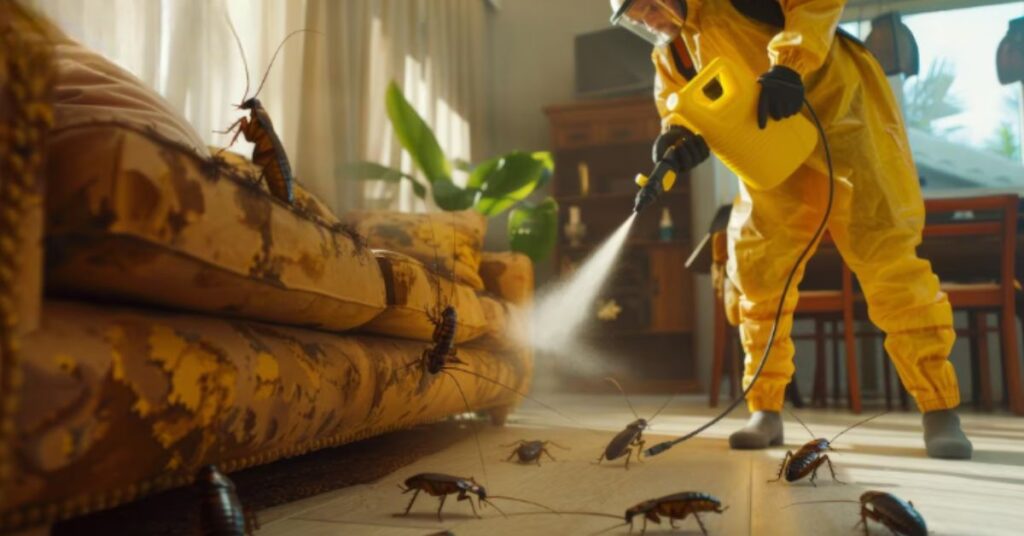
Proper cleaning after pest control is crucial to ensure the treatment works effectively while keeping your home safe. Follow these comprehensive guidelines to maximize the results of your pest control service and maintain a clean, pest-free environment.
Do’s
Wait Before Cleaning
Check with your pest control technician for specific waiting periods based on the products used.
Start with Dry Cleaning Methods
-Sweep or Dry Mop: Use these methods first to avoid disturbing the pesticide barrier.
-Light Dusting: Wipe surfaces gently with a dry microfiber cloth to remove loose dirt without affecting the treatment.
-Spot Cleaning: Focus on visible dirt in non-treated areas if immediate cleaning is necessary.
Vacuum Carefully After the Waiting Period
Use a HEPA Filter Vacuum. This traps small particles and prevents pesticide residue from recirculating in the air. Always dispose of vacuum contents outdoors to avoid reintroducing pests or spreading chemicals inside.
Avoid Steam Vacuums
These can reactivate or dilute pesticides, reducing their effectiveness.
Protect Treated Areas
Avoid mopping, steam cleaning, or using water near treated zones for at least 5–7 days. Reduce walking over treated carpets or floors to prevent pesticide removal. Store food and utensils properly before treatment to avoid contamination.
Follow Professional Advice
Read Instructions. Review any written guidelines provided by your exterminator. Ask Questions. Clarify doubts about cleaning schedules or safety precautions. Schedule Follow-Ups. Book any recommended inspections or retreatments.
Don’ts
Don’t Clean Too Soon
Avoid wiping, vacuuming, or mopping right after treatment. Even light cleaning can remove pesticides before they work.
Don’t Use Water or Harsh Chemicals
Water breaks down pesticides and reduces their lifespan. Avoid Strong Cleaners. Bleach, ammonia, or disinfectants can neutralize pest control products.
Don’t Overclean Treated Areas
Skip Deep Cleaning. Avoid scrubbing baseboards, cracks, or corners where pesticides are concentrated. Leave Carpets Alone. Postpone shampooing or steam cleaning for at least 1–2 weeks.
Don’t Spread Contamination
Wash Cleaning Tools. Rinse mops, clothes, and vacuum attachments after use. Isolate Cleaning Supplies. Store them separately to avoid cross-contamination.
Don’t Ignore Safety Measures
Keep Kids and Pets Away. Restrict access until surfaces are completely dry. Wear Gloves if Cleaning: Protect your skin from residual pesticides.
Don’t Move Furniture Back Too Soon
Wait Until Dry. Allow couches, beds, and cabinets to remain in place for 24–48 hours. Check with Technicians. Some treatments require longer waiting periods before rearranging items.
Don’t Forget About Preventative Measures
Seal Entry Points. Prevent pests from returning by fixing cracks and gaps. Regular, light cleaning helps but avoid overdoing it post-treatment.
Safety Guidelines for Children and Pets During and After Treatment
After a pest control treatment, safety is a top priority, especially when it comes to the well-being of your children and pets. Pesticides and treatments can be effective, but they may also contain chemicals that need time to settle and dry to ensure they don’t pose any health risks.
Here’s what you need to know:
1. Keep Children and Pets Away from Treated Areas
- During the treatment: Make sure that all areas being treated are off-limits to children and pets while the pest control technician is working. The chemicals used during treatment may have a strong scent or be harmful if ingested or touched.
- After the treatment: It’s recommended to keep children and pets out of the treated areas for at least 4-6 hours after the service, allowing the chemicals time to settle and dry.
2. When Is It Safe for Children and Pets to Re-enter the Home?
- For liquid sprays: Typically, it’s safe to re-enter treated areas after 24-48 hours. During this period, pesticides need time to dry and form a protective barrier.
- For dust or powder treatments: These formulations may require a longer period, 3-7 days, before it’s safe to re-enter the area. Always check with your pest control technician for specific instructions based on the treatment type.
- For outdoor treatments (yards or garden areas): Wait until surfaces have dried and the area is ventilated before allowing pets to return to play outside. Usually, 24 hours is a safe waiting period.
3. Precautions After Returning to Treated Areas
- Air Out the Space: Once the treatment is dry, open windows and doors to ventilate the area. Fresh air helps clear out any lingering fumes or chemicals.
- Clean Up Surfaces (if instructed): If your pest control professional recommends cleaning certain areas after the treatment, wait until it is safe to do so and ensure surfaces are thoroughly wiped or rinsed.
- Pet Bedding and Toys: After treatments, clean your pet’s bedding, toys, and food bowls to ensure they aren’t contaminated by pesticide residue.
4. Protective Measures for Pets and Children
- Children: Teach your children to avoid touching surfaces that have been treated and to wash their hands thoroughly after touching anything in the treated areas.
- Pets: Ensure pets do not lick, chew, or lie down on areas where pesticides were applied. Consider placing their food and water bowls in an untreated space until it’s safe to bring them back.
FAQs
1. How Long Should I Wait to Vacuum After Pest Control?
It’s recommended to wait at least 24-48 hours before vacuuming after a pest control treatment. This ensures that the pesticides remain effective and continue protecting your home.
2. Is It Safe to Be in the House After Pest Control?
It’s generally safe to be in your house after pest control, but you may need to wait for a few hours to allow the chemicals to settle. Always follow the pest control provider’s specific instructions for the safety of your family.
3. What to Do After Pest Control Cleaning?
After pest control cleaning, avoid vacuuming or mopping immediately to ensure the treatment remains effective. Follow the guidelines given by your pest control professional for cleaning and re-entry times.
4. How Soon Can I Mop the Floor After Pest Control?
It’s advisable to wait at least 48 hours before mopping the floor after pest control treatment. Mopping too soon could disrupt the effectiveness of the chemicals.
5. Can I Vacuum After Bed Bug Treatment?
After a bed bug treatment, it’s best to wait 24-48 hours before vacuuming to ensure the pesticide has time to work and the treated area remains protected.
Conclusion
After pest control treatment, wait at least 24–48 hours before vacuuming to allow pesticides to work effectively. Avoid steam cleaning for a week, as moisture can dilute treatments. Always follow your technician’s specific instructions. Some products require longer wait times.
When vacuuming, use a HEPA filter and dispose of debris outside to prevent reinfestation. Proper post-treatment cleaning ensures long-lasting pest control while maintaining a safe, clean home. Patience and care maximize your treatment’s success.
Hopefully, this guide has been useful! And if you’re still wondering How long you should stay out of your house after pest control — check out our full guide for additional safety insights.

