
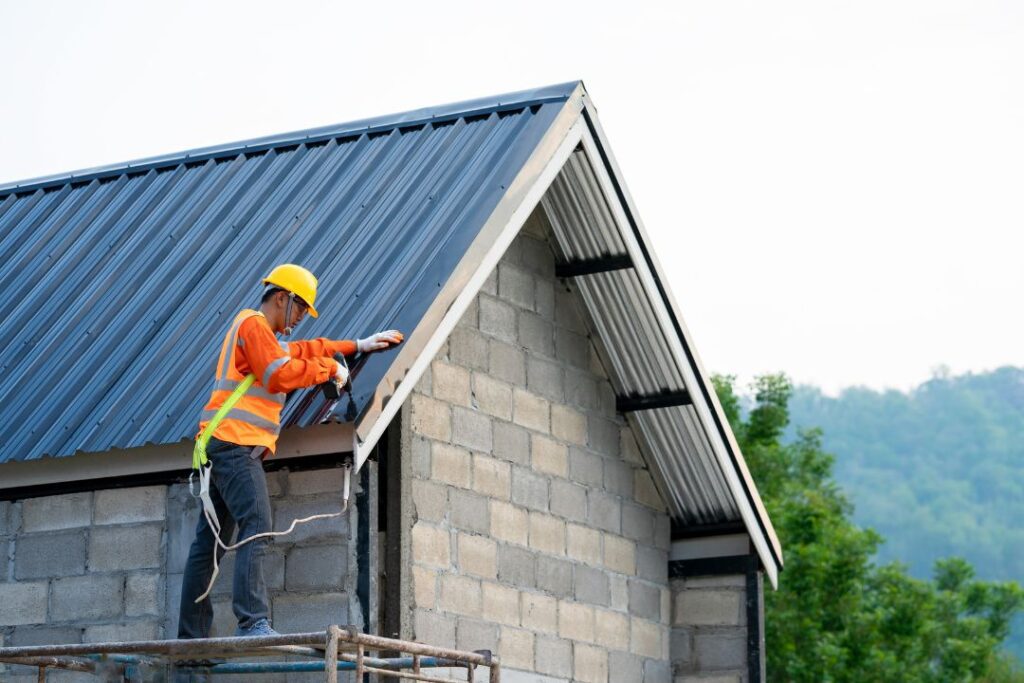
Your roof guards your home against the rain, the wind, and the sun. With time, it may get exhausted or worn. The warning signs associated with roofing issues can help you intervene before significant damage is done.
This can save on costs, prevent leaks, structural problems, or safety hazards chances of detection at the early stages.
sunsoftwash.co.nz is here to let you know about the 8 Warning Signs Your Roof Needs to Be Replaced (Before It’s Too Late)! Keep reading!
Why Does Your Roof Need Regular Replacement?
The roof forms a very important aspect of a home. It shields the home against rain, wind, sun, and snow. With time, roofs are exposed to wear or damage. Replacing it regularly is essential in making the home safe for those living in it.
These are exposed to the weather continually. Rain and snow may cause water damage and leakage of water. Winds that are severe can blow or fracture shingles. Heat and sunlight may cause surfaces to develop cracks or fade. Such issues, over time, erode the roof. Having the roof replaced regularly will prevent major damage to your home.
The age of the roof is another reason why replacing it should be done. Roofing has a short life cycle for most of them. As an example, asphalt shingles have a lifespan of approximately 2025, whereas metal can last 4050 years. Older roofs have a greater likelihood of developing leaks, cracks, etc. Replacing periodically will also make the roof continue to offer shelter to your home.
Periodic replacement is also helpful to improve energy efficiency. Roofs in a poor condition would allow the heat to escape in the winter and enter in the summer. This ups the energy bills. A roof replacement enhances adequate insulation and keeps your house habitable throughout the year.
Lastly, the roof replacement will save your family and possessions. A leaking and falling-in, or poor roof, may lead to accidents and the destruction of furniture and other valuables like electronics. A safe roof is a strong roof, and well well-kept roof brings security, confidence, and an asset to your house.
To conclude, it is important to replace your roof regularly to protect your house against weather conditions, avoid costly repairs after some point, save energy, and face no safety issues. Monitoring the state of your roof and upgrading it whenever necessary will make your home really strong, secure, and comfortable over the years.
Explaining 8 Warning Signs Your Roof Needs to Be Replaced (Before It’s Too Late)
Your roof safeguards your home from the elements and ensures your family’s safety. Eventually, it can wear or break. Identifying the warning signs early can help prevent major issues, expensive damage, and safety hazards.
While they can be tedious, here are 8 Warning Signs Your Roof Needs to Be Replaced (Before It’s Too Late)!
1. Lost or Broken Shingle
The shingles cover your roof against water and weather. With cracks, missing, and broken shingles, the roof will not be able to perform its functions. Broken shingles make the water creep inside, damaging water pipes and the external structure of the building. Roof replacement will create safety and stop additional issues.
2. Curling or Buckling Shingles
Age or moisture, warped, curled, or buckling of shingles. They no longer have the capacity to shelter your home against the rain and the wind. The curling shingles may cause leaking and make it weak. Restoring the roof as soon as damage becomes apparent is the most effective method of ensuring long-term safety.
3. Leaks, slow down, or Water stains
The evidence of water inside the ceiling or walls shows a leak. Leaks result in mold and rotting, and structural damage. As a rule, a minor repair is not enough to eliminate a possible further problem. A roof replacement prevents water penetration and keeps your home and possessions safe, which saves you a lot of trouble.
4. Sagging Roof
A drooping roof indicates trouble in its structure. This could be caused by water damage, wet grains of wood, or deteriorating materials. Sagging is hazardous in that it may collapse. Replacing the roof creates stability, security, and avoids the extension of damage to your home.
5. Gutters Gargles
Roof shingles will shed protective granules as time passes. Worn-out shingles result when you notice a lot of granules in the gutters or downspouts. The disappearance of granules can decrease the roof’s protection against the sun and rain. Replacing your roof is a necessity before damage and leaks happen.
6. High Energy Bills
Damaged roofs may impact insulation. Warmth can leak during winter, and in summer, the heat may penetrate, thus increasing the cost of energy. A damaged roof is unable to regulate temperature well. Replacing the roof enhances energy efficiency as well as makes your home comfortable. For more information, check out our Roof Replacement Cost Guide to understand the financial aspects of replacing your roof.
7. Respiration of Algae or Moss Crop
Algae, moss, or fungus on your roof is more than an aesthetic issue—it traps moisture, which weakens shingles and leads to leaks. While regular Roof Wash treatments can help, replacing the roof is the ultimate solution to ensure its longevity and performance.
8. Unreasonable Repair Bills
Repair necessities are an indication that the roof is failing. Permanent or continuous patching is costly. It is more economical to replace the roof completely and guarantee a long period of protection for your home.
How to Choose the Right Roofing Material for Replacement
When it’s time to replace your roof, selecting the right material is crucial for both the longevity of your roof and the overall aesthetic of your home.
Different roofing materials offer varying benefits depending on your budget, the climate, and your home’s needs. Here’s how to choose the best roofing material for your replacement:
1. Consider Your Budget
Roofing materials vary greatly in price. Asphalt shingles are typically the most affordable, while materials like slate, tile, or metal roofing can be more expensive.
It’s important to balance your budget with the lifespan and benefits of the material. While a more expensive option may have a longer lifespan and greater energy efficiency, it might not be necessary if you’re on a tight budget.
2. Assess the Climate
The climate in your area plays a significant role in selecting roofing material. In New Zealand, areas with coastal weather (like Auckland or Wellington) may benefit from metal roofs due to their resistance to saltwater corrosion.
In regions with more rainfall or snow, durable materials such as slate or tile can help protect against water infiltration. Consider materials with high moisture resistance, like concrete or clay tiles, if you live in areas prone to rain or moss growth.
3. Evaluate the Durability
Consider the longevity of various roofing materials. Asphalt shingles, while affordable, have a shorter lifespan, typically around 15-20 years.
Metal roofs, on the other hand, can last 40-50 years, making them a great investment for long-term durability. If you’re planning to stay in your home for decades, investing in a longer-lasting material could save you money in the long run.
4. Aesthetic Considerations
Your roof is one of the most visible parts of your home, so aesthetics matter. Certain materials offer more options in terms of colors and styles, which can complement your home’s exterior.
For example, slate and clay tiles give a more traditional or rustic look, while metal roofing can lend a more modern or industrial feel. Be sure to choose a material that enhances your home’s overall curb appeal.
5. Energy Efficiency
Roofing materials can also impact your home’s energy efficiency. Light-colored or reflective materials like metal roofing or certain types of shingles can help reduce cooling costs by reflecting sunlight, keeping your home cooler in the summer.
If energy savings are important to you, opt for a material with good insulation properties that helps regulate indoor temperatures.
6. Consider Local Building Codes
Some regions have strict building codes that require specific types of roofing materials. For example, in areas prone to fires, you may be required to install fire-resistant materials such as metal or concrete tiles.
Be sure to check your local building codes and any homeowner association (HOA) guidelines before making a final decision.
Environmental Impact of Roof Replacement
When replacing your roof, it’s essential to consider the environmental impact of both the materials you choose and the process itself. Roof replacement can have a significant environmental footprint, but there are ways to minimize the impact. Here’s how:
1. Roofing Material Sustainability
Different roofing materials have varying environmental footprints. Asphalt shingles, which are common, are not easily recyclable and often end up in landfills after replacement.
On the other hand, materials like metal and clay tiles are more durable and have a longer lifespan, reducing the frequency of replacements. Additionally, metal roofs can be made from recycled materials and are themselves recyclable, making them a more eco-friendly option in the long term.
2. Waste Reduction and Disposal
The roof replacement process generates waste, particularly when old shingles or tiles are removed. Some roofing companies offer recycling services for old roofing materials, allowing shingles to be repurposed for road construction or other uses. Opting for a contractor who prioritizes waste management and recycling can significantly reduce the environmental impact of your roof replacement.
3. Energy Efficiency
Choosing an energy-efficient roofing material can have long-term benefits for the environment by reducing your home’s energy consumption. Reflective roofing materials like metal or certain asphalt shingles help reflect sunlight, reducing the amount of heat that enters your home.
This can lower air conditioning costs in the summer and reduce your overall energy consumption, helping to reduce your carbon footprint.
4. Eco-Friendly Roofing Options
If environmental impact is a top priority, consider roofing materials that are both sustainable and eco-friendly. For example, cool roofing options reflect more sunlight and absorb less heat, which reduces the need for air conditioning and minimizes urban heat islands.
Additionally, green roofing or living roofs are an innovative and sustainable option that involves growing vegetation on top of your home. These roofs provide insulation and can help manage stormwater runoff while also supporting local biodiversity.
5. Long-Term Sustainability
Investing in a durable, long-lasting roof can ultimately be more sustainable, as it reduces the need for future replacements and maintenance.
High-quality materials like slate, tile, or metal may cost more upfront but last longer, reducing the frequency of roof replacements and minimizing the overall environmental footprint over time.
Conclusion
When issues become evident, replacing a roof is a huge, yet vital investment. The only way to prevent larger issues is by being aware of warning signs, as in the form of leaks, damaged shingles. It is wise to do this at an early stage to save your money and maintain your house, as well as save the lives of your family.
Regular servicing and inspections mean that roofs are longer lasting. By making conclusions about these vague indicators and taking proper measures, house owners can avoid risks and fulfill the role of a good, strong, and efficient roof.
If you want to learn more about roof care, check out our Roof Wash services, or dive deeper into the Benefits of Regular Shingle Roof Inspections and Maintenance to ensure your roof remains in top shape.

