
Should you clean your property yourself or hire a professional? This is a common question many homeowners face, especially when it comes to exterior cleaning.
While DIY might seem like a cost-saving option, there are several myths surrounding exterior cleaning that could lead to damage, wasted time, and even higher costs in the long run.
In this blog, we’ll debunk 7 common exterior cleaning myths that could be damaging your New Zealand property, helping you make informed decisions about when to tackle the job yourself and when to call in the professionals.
Myth 1: “You Can Clean Your House with Just a Garden Hose”
Reality: Using a garden hose might seem like an easy solution for cleaning your house, but it’s not nearly as effective as you might think.
While a garden hose can remove surface dirt, it doesn’t address deeper problems like mould, mildew, or stubborn stains. The water pressure from a regular garden hose is too low to remove grime and biological growth that can damage your home over time.
Mould and algae require more than just water; they need specialized cleaning solutions and higher pressure to be properly eradicated.
Why it Doesn’t Work
Simply spraying the surface with water moves dirt around temporarily but doesn’t kill the mould or algae, which can regrow quickly. A hose won’t penetrate deeper surfaces or remove dirt embedded in cracks or textured materials.
The Professional Solution
Professional house washing services use higher pressure and eco-friendly cleaning solutions to eliminate harmful mould, mildew, and dirt. These treatments clean and sanitize surfaces, ensuring that your home’s exterior stays clean and protected for longer.
Myth 2: “Pressure Washing Will Damage My Paint/Roof/Deck”
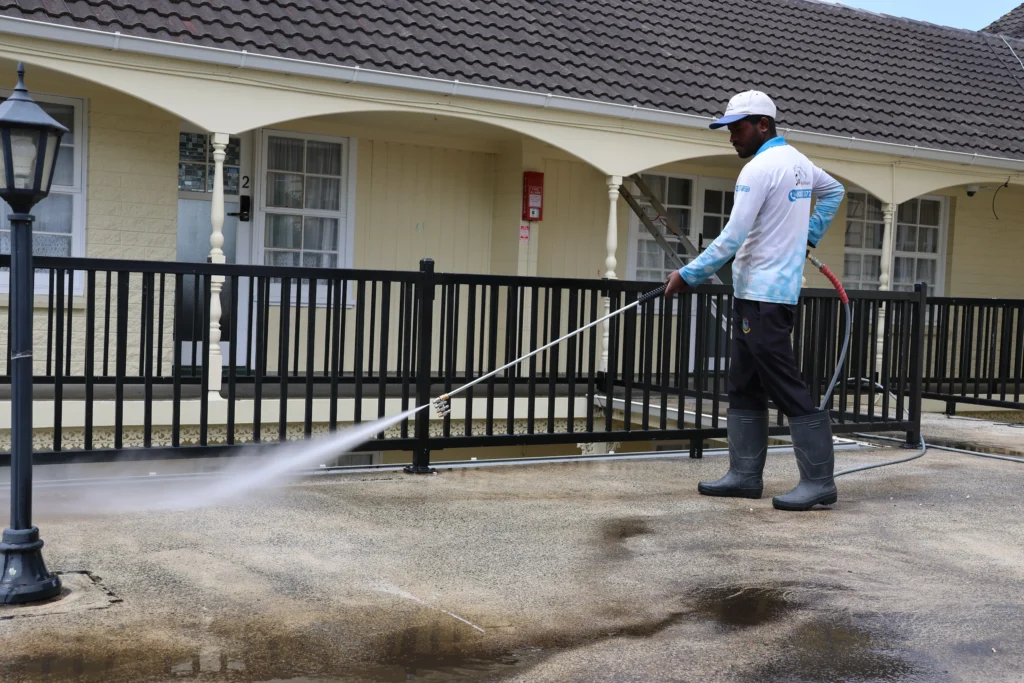
Reality: Many homeowners worry that pressure washing will cause serious damage to their property, especially delicate surfaces like paint, roofs, and decks.
While it’s true that using high pressure improperly can cause harm, pressure washing itself is not inherently damaging. The key is using the right technique and understanding when pressure washing or soft washing is appropriate.
Soft Washing vs Pressure Washing
Pressure Washing
This method uses high-pressure water to blast away dirt, grime, algae, and stains. It’s effective for cleaning tough surfaces like concrete driveways or brick walls.
However, if used incorrectly on softer surfaces, such as painted or wooden decks, it can strip paint, splinter wood, or even cause leaks in roofing materials.
Soft Washing
A safer alternative to pressure washing, soft washing uses a low-pressure stream of water combined with specialized eco-friendly cleaning solutions to clean surfaces gently.
This is ideal for roofs, decks, and painted surfaces where high pressure could cause damage. Soft washing cleans effectively without stripping the finish or causing structural damage.
When to Use Each Method
- Pressure Washing is best for hard, durable surfaces like driveways and concrete patios.
- Soft Washing is recommended for delicate surfaces, such as roofs, wooden decks, and weatherboard cladding, where high pressure could cause permanent damage.
The Professional Solution
Professionals know when to use each method, ensuring that your home’s exterior is cleaned safely without causing damage. They also use the right equipment and techniques for each task, whether that’s pressure washing a driveway or soft washing your roof.
Myth 3: “Exterior Cleaning is Just Cosmetic”
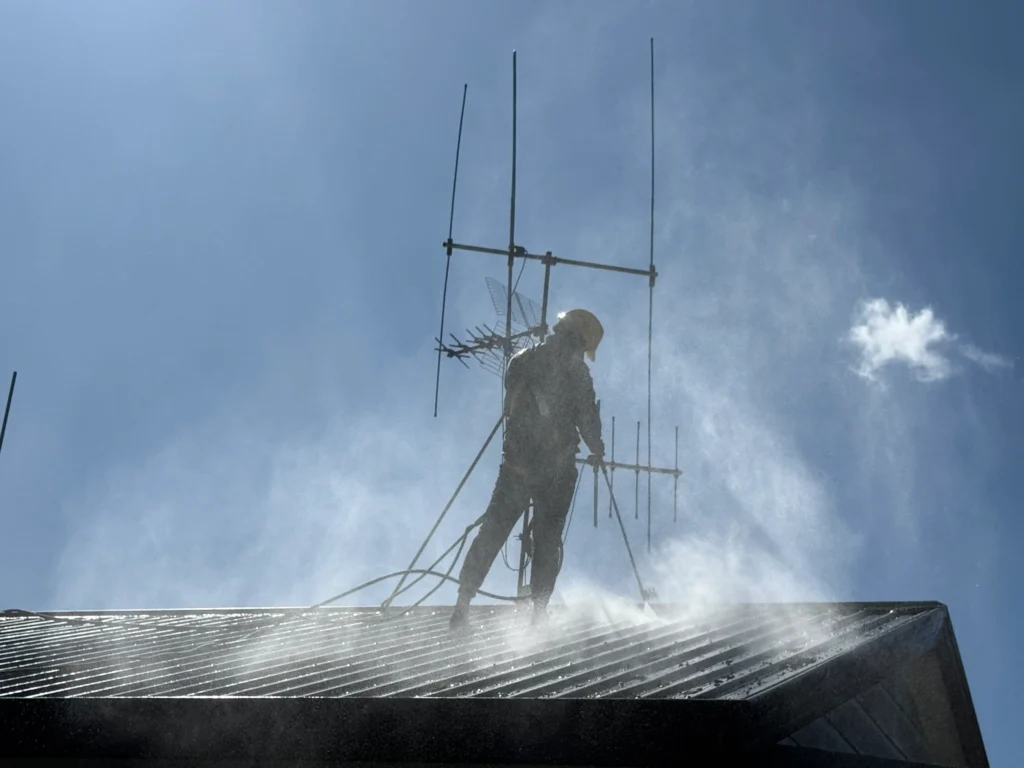
Reality: Many people view exterior cleaning as simply an aesthetic task—something that’s nice to do but not critical to the health of the property.
However, this myth overlooks the significant structural damage that can occur if your home is left uncleaned for too long. Exterior cleaning is about much more than just appearance; it’s essential for maintaining the long-term integrity of your home.
Mould and Algae Penetration
Mould and algae growth are common problems in New Zealand, particularly in humid areas like Tauranga and Auckland. When left untreated, mould can penetrate surfaces, including wooden decks and rendered walls, leading to rot and decay. It can also negatively affect your indoor air quality, especially if mould spores spread into your home.
Impact on Paint: Algae, mould, and dirt buildup can lead to paint failure. If not cleaned regularly, these contaminants can cause paint to peel, crack, or discolour, leading to costly repainting in the future.
Wood Rot and Structural Damage
Wood rot is a serious concern for homes with wooden decks or structures. When moisture is trapped in the wood due to mould or algae buildup, it can lead to decay. This weakens the structure of your deck, fence, or even parts of the house itself, making it unsafe and reducing its lifespan.
Paint Failure: Dirt, grime, and biological growth can also cause paint to fail prematurely. Neglecting exterior cleaning may result in peeling or discolouration, which requires costly repairs and repainting.
Prevention of Long-Term Damage
Regular cleaning, including house washing, roof treatments, and gutter cleaning, helps prevent damage to your property’s surfaces.
By removing contaminants like mould, algae, and dirt, you protect the structural integrity of your home, preserving both its value and safety.
The Professional Solution
Professional exterior cleaning goes beyond just making your property look good—it helps protect it from long-term damage. Professionals use the right cleaning methods and eco-friendly products to ensure that your home’s surfaces stay in top condition, preventing costly repairs and maintaining your property’s value.
Myth 4: “All Cleaning Chemicals Are Harsh and Dangerous”
Reality: Not all cleaning chemicals are harmful. Many professional cleaning services use eco-friendly, biodegradable products that are safe for the environment, pets, and children. The idea that all cleaning chemicals are harsh is a misconception.
Eco-Friendly Products
- Biodegradable Solutions: Modern cleaning solutions are designed to break down naturally, leaving no harmful residues. These products are just as effective as harsher chemicals but without the environmental impact.
- Safe for Your Property: Eco-friendly chemicals are formulated to clean effectively without damaging surfaces or leaving toxic residues that could harm plants, pets, or humans.
The Professional Advantage
Professionals use the safest, most effective cleaning solutions for your property. They ensure that the chemicals used are suitable for your home’s materials and won’t cause long-term damage.
Professional cleaners are trained in using these products responsibly, ensuring both safety and quality.
Myth 5: “You Only Need to Clean Your House Before Selling”
Reality: Cleaning your house shouldn’t be a one-time event before you sell. Regular maintenance is crucial to avoid long-term damage and preserve your property’s value.
Maintenance Frequency
Regular cleaning helps prevent the build-up of mould, dirt, and stains, which can cause permanent damage over time. Without periodic cleaning, surfaces such as wooden decks or painted cladding may degrade faster.
Cost of Neglect
Ignoring regular exterior cleaning can lead to expensive repairs later. For example, neglected gutter systems or roofing can result in water damage, leading to costly fixes. Cleaning periodically saves you from spending more down the road.
The Professional Solution
A professional clean every year (or as needed) ensures your property stays in optimal condition, helping you avoid damage and costly repairs in the future.
Myth 6: “DIY Exterior Cleaning Saves Money”
Reality: DIY might seem like a cost-effective option, but it often ends up costing more in the long run.
Cost of Equipment and Time
Renting or buying equipment for DIY cleaning (e.g., water blasters, ladders, cleaning solutions) can be expensive. When you factor in time spent on cleaning and the cost of repairs for potential damage, DIY often becomes less economical than hiring a professional.
Risk of Damage
Without proper training, DIY cleaning can damage surfaces like wood, paint, and roofing, leading to expensive repairs. For instance, improper use of a pressure washer can strip paint, damage wood, or even cause leaks.
The Professional Solution
Hiring professionals ensures the job is done quickly, safely, and effectively, with the right equipment and expertise. In many cases, it’s cheaper to hire a pro than to buy equipment and deal with the risks of damage.
Myth 7: “Roof Cleaning Will Void My Roof Warranty”
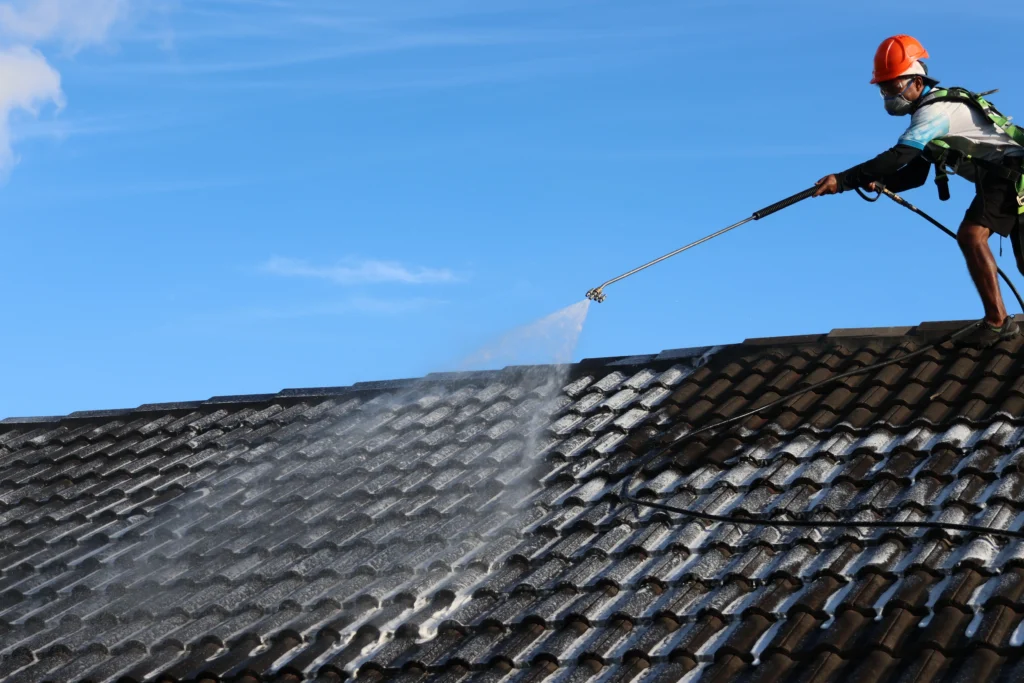
Reality: Regular roof cleaning is actually recommended to maintain your roof warranty and extend its life.
Roof Maintenance Requirements
Most roof warranties require regular maintenance to remain valid. This includes cleaning to prevent the build-up of moss, algae, and debris that can damage roofing materials.
Proper Cleaning Extends Roof Life
Cleaning your roof properly helps remove harmful growths that can cause long-term damage. Without regular cleaning, moss and algae can infiltrate tiles, causing them to degrade and potentially leading to leaks.
The Professional Solution
Professionals use safe, low-pressure techniques to clean roofs without damaging tiles, ensuring your warranty stays intact and your roof remains in good condition.

