
Water blasting is commonly used across New Zealand to clean driveways, concrete paths, paving and other hard exterior surfaces. When the equipment, pressure and technique suit the material, it can remove built-up dirt, moss and grime effectively.
However, water blasting is not suitable for every part of a property. Painted weatherboards, plaster cladding, timber, older mortar and some roof surfaces can be damaged by excessive pressure or the wrong spray direction. These areas may need low-pressure cleaning or soft washing instead.
This guide explains how water blasting works, where it is most effective, which surfaces need a gentler approach, and the common mistakes that can lead to surface damage or unwanted water entry.
What Is Water Blasting?
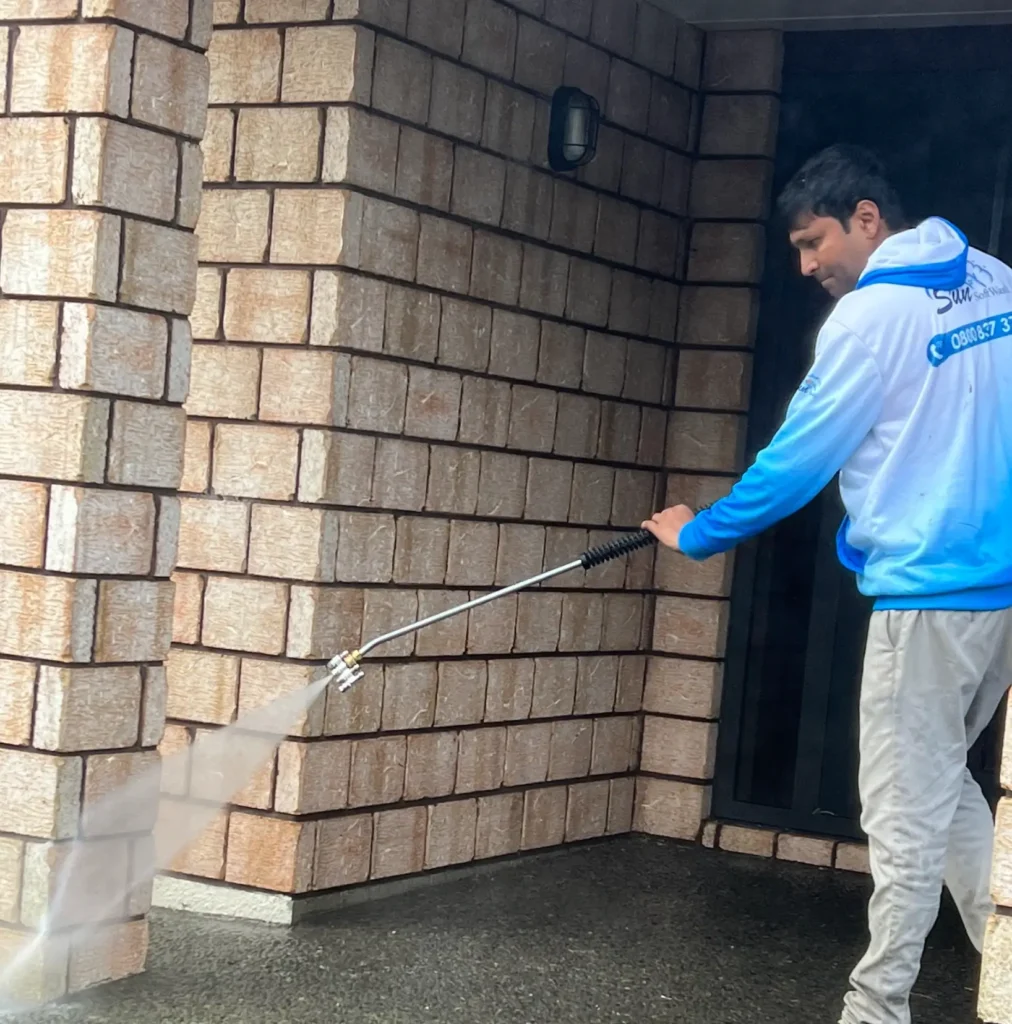
Water blasting, also known as pressure washing or high-pressure cleaning, uses a strong stream of water to remove dirt, moss, algae and surface buildup from outdoor areas.
It is commonly used on durable surfaces such as:
- Concrete driveways
- Paths
- Paving
- Some brick and masonry
- Selected exterior hard surfaces
The pressure and cleaning method should be chosen according to the material, its condition and the type of buildup being removed.
Water blasting is different from soft washing. Soft washing uses lower water pressure with a suitable cleaning treatment, making it more appropriate for painted cladding, weatherboards and other delicate exterior finishes.
High pressure should not be used simply because a stain is difficult to remove. Some stains need a suitable treatment, more contact time or professional assessment instead of greater force.
Where Does Water Blasting Work Well?
Water blasting works best on hard, durable surfaces that can handle controlled pressure.
Concrete Driveways and Paths
Concrete driveways, paths and outdoor areas often collect dirt, moss, tyre marks and surface grime. Water blasting can remove this buildup when the concrete is in good condition.
Older, cracked or worn concrete needs more care. Excessive pressure can leave visible lines, expose the aggregate or make existing damage more noticeable.
Paving
Paved areas can usually be cleaned with water blasting, but loose joints, damaged pavers and weak sand between the gaps should be checked first.
The pressure should be controlled to avoid shifting jointing material or leaving uneven marks.
Brick and Masonry
Some brick and masonry surfaces can handle water blasting, especially when they are solid and well maintained.
The mortar should be inspected before cleaning. Older or damaged mortar may loosen under strong pressure.
Durable Fences and Retaining Walls
Some concrete, brick and well-maintained exterior fences can be cleaned using controlled water pressure.
Painted timber, soft wood and damaged surfaces may need a lower-pressure method to avoid stripping paint or roughening the material.
Large Outdoor Hard Surfaces
Water blasting can be useful for car parks, patios and other hard exterior areas where manual scrubbing would take longer.
Before cleaning, check the surface for cracks, loose coatings, drainage issues and nearby areas that may be affected by dirty runoff.
The condition of the surface matters as much as the material. A surface that normally tolerates water blasting may still need a gentler method if it is old, damaged or previously repaired.
Which Surfaces Need a Gentler Cleaning Method?
Some exterior surfaces can be marked, stripped or damaged by strong water pressure. These areas often need soft washing, low-pressure cleaning or another surface-specific method.
Painted Weatherboards
High pressure can lift loose paint, leave visible marks and force water into joints between boards.
Check the paint condition before cleaning. Peeling, bubbling or cracked areas may need repair rather than stronger washing.
Plaster and Monolithic Cladding
Plaster and monolithic cladding should be checked for cracks, damaged coatings and possible moisture-entry points.
Strong water pressure may worsen existing defects or push water into gaps. A controlled low-pressure wash is generally more suitable.
Timber Decks and Fences
Timber can splinter, become rough or develop uneven lines when cleaned too aggressively.
The safest method depends on whether the timber is painted, stained, sealed or untreated. Test a small area before cleaning the full surface.
Older Brickwork and Mortar
Brick may appear durable, but older or weakened mortar can loosen under high pressure.
Inspect the joints carefully before cleaning. If the mortar is cracked or crumbling, arrange repairs or professional advice first.
Roof Surfaces
Roof materials, flashings and fixings can be damaged by incorrect pressure or spray direction. Working on a wet roof also creates a serious fall risk.
Roof cleaning should normally be handled by professionals using a method suited to the roofing material and its condition.
Windows, Seals and Exterior Openings
Avoid directing strong water at windows, door frames, vents, electrical fittings and cladding joints.
Water can enter through weak seals or small gaps, even when the exterior appears to be in good condition.
When you are unsure whether a surface can handle water blasting, begin with the gentlest suitable method or ask a professional to inspect it.
10 Common Water-Blasting Mistakes
Water blasting can clean durable outdoor surfaces effectively, but the wrong method can leave permanent marks or force water into places it should not reach. These are the most common mistakes to avoid.
1. Skipping the Surface Inspection
Do not start cleaning before checking the condition of the area.
Look for cracks, loose paint, weak mortar, damaged timber, open joints and previous repairs. A surface that normally handles water blasting may still need a gentler method when it is old or damaged.
2. Using Maximum Pressure on Every Surface
More pressure does not always mean better cleaning.
A setting suitable for concrete may strip paint, roughen timber or loosen mortar.
Use a setting recommended for the surface and equipment. When the material or coating is uncertain, do not increase the pressure without professional advice.
3. Using Water Blasting on the Wrong Material
Not every exterior surface should be cleaned with high-pressure water.
Painted weatherboards, plaster cladding, delicate coatings and some roof materials often need low-pressure or soft washing. Choose the cleaning method based on the material, not only the type of dirt.
4. Working Too Close to the Surface
Moving the spray too close increases the force hitting one area.
This can leave lines in concrete, marks on timber or damage to paint and surface coatings. Follow the equipment manufacturer’s guidance and test a small, less visible area before continuing.
5. Directing Water Into Joints and Openings
Strong water should not be aimed into cladding joints, vents, window seals, door frames or electrical fittings.
Water may enter through small gaps and reach areas that are difficult to dry. Keep the spray directed along the face of the surface rather than into openings.
6. Holding the Spray in One Place
Keeping the spray fixed on one spot can create uneven cleaning or permanent surface marks.
Use steady, controlled movement and avoid repeatedly targeting one small area. A stubborn stain may need a suitable treatment instead of additional pressure.
7. Skipping a Test Area
A small test can reveal how the surface reacts before the full area is cleaned.
Check for changes in colour, texture, coating condition and joint stability. Stop if the test leaves marks or affects the material.
8. Ignoring Plants, Drains and Nearby Property
Water blasting can spread dirty runoff, loose debris and cleaning products beyond the area being washed.
Move outdoor items, protect sensitive plants and identify nearby drains before starting. Cleaning products should be used according to their labels and kept away from areas they may damage.
9. Using Damaged or Unsuitable Equipment
Worn hoses, loose fittings and damaged accessories can make the equipment unsafe or difficult to control.
Inspect the water blaster before use and follow the manufacturer’s maintenance instructions. Do not continue with equipment that is leaking, damaged or operating incorrectly.
10. Continuing When the Job Is Unsafe
Some cleaning jobs should not be treated as simple DIY work.
Stop when the surface is difficult to identify, badly damaged, high above the ground or close to electrical areas. Multi-storey properties, roofs and delicate exterior finishes are usually safer to leave to a trained professional.
Avoiding these mistakes is not only about protecting the surface. It also helps ensure that water blasting is used only where it is the right cleaning method.
Water Blasting vs Soft Washing
Water blasting and soft washing both clean exterior surfaces, but they use different levels of pressure and work best in different situations.
Water Blasting
Water blasting uses stronger water pressure to remove dirt, moss and surface buildup from hard outdoor areas.
It is commonly used on:
- Concrete driveways
- Paths
- Paving
- Some brick and masonry
- Some unpainted concrete, brick and masonry walls
The surface must be inspected first. Cracked concrete, weak mortar, loose coatings and older materials may need lower pressure or another cleaning method.
Soft Washing
Soft washing uses low water pressure with a suitable cleaning treatment. The treatment helps loosen mould, algae, lichen and grime before the surface is gently rinsed.
It is often more suitable for:
- Painted weatherboards
- Plaster and monolithic cladding
- Delicate exterior coatings
- Some timber surfaces
- House exteriors with vulnerable joints or finishes
Soft washing relies less on water force, which helps reduce the risk of paint stripping, surface marks and water entering behind the cladding.
Which Method Should You Choose?
Choose the method based on the surface, its condition and the type of buildup.
Water blasting may be suitable for durable hard surfaces, while soft washing is generally the safer choice for painted or delicate house exteriors. Some properties need both methods, with low-pressure cleaning used on the house and controlled water blasting used on the driveway or paths.
The goal is not to use the strongest method. It is to use the gentlest method that can clean the surface effectively.
When Should You Hire a Professional?
Some water-blasting jobs are suitable for basic DIY cleaning, but others involve surfaces, heights or access problems that are better handled by a professional.
Consider hiring a professional when:
- The property has multiple storeys
- The surface is painted, cracked or already damaged
- You are unsure whether to use water blasting or soft washing
- There is heavy moss, algae, lichen or built-up grime
- The area is close to windows, electrical fittings or cladding joints
- The roof, upper walls or narrow spaces are difficult to reach
- The job includes several surfaces that need different cleaning methods
- You do not have suitable safety equipment
A professional should inspect the material and condition of the surface before cleaning. This helps determine the correct pressure, treatment and spray direction for each area.
For example, a property may need soft washing on the painted exterior, lower pressure on timber, and controlled water blasting on the driveway. Using one method across the whole property can increase the risk of damage.
Before approving a quote, ask what areas are included, which cleaning methods will be used, how nearby plants and property will be protected, and whether the company is insured.
Frequently Asked Questions
Can water blasting damage concrete?
Yes. Concrete is durable, but excessive pressure can leave visible lines, expose aggregate or make existing cracks and worn areas more noticeable.
Older or damaged concrete should be inspected before cleaning. Start with a small test area rather than assuming every concrete surface can handle the same pressure.
Can water blasting remove paint?
High-pressure water can lift loose paint and strip weak exterior coatings.
This is one reason painted weatherboards, fences and cladding often need a low-pressure or soft-washing method instead of direct high-pressure cleaning.
Is water blasting suitable for timber decks?
It depends on the condition and finish of the timber.
Strong pressure can roughen the grain, create uneven marks or damage painted and stained surfaces. Timber decks usually need controlled pressure and a test area before the full surface is cleaned.
Is water blasting safe for house cladding?
It is not suitable for every type of cladding.
Painted weatherboards, plaster, older materials and surfaces with damaged joints may allow water to enter or become marked under strong pressure. These areas often need a gentler cleaning method.
What is the difference between water blasting and soft washing?
Water blasting relies mainly on stronger water pressure to clean hard surfaces such as concrete and paving.
Soft washing uses lower water pressure with a suitable cleaning treatment. It is often more appropriate for painted cladding, weatherboards and delicate exterior finishes.
How long does professional water blasting take?
The time depends on the size of the area, surface condition, access and amount of buildup.
A straightforward driveway may take less time than a large property with paths, fences and several exterior areas. Ask the company for an estimate based on the actual job.
Does water blasting use cleaning products?
Not every job requires a cleaning product.
Some dirt can be removed using controlled water pressure, while mould, algae, oil and other stains may need a treatment suited to the surface.
Any product used should follow its label instructions and be managed carefully around plants, drains and nearby property.
Professional Water Blasting in Auckland, Hamilton and Tauranga
Sun SoftWash provides water blasting and exterior cleaning services across Auckland, Hamilton and Tauranga.
Before cleaning begins, the team checks the surface, its condition and the type of buildup. This helps determine whether controlled water blasting, low-pressure cleaning or soft washing is the most suitable method.
Different areas of the same property may need different approaches. Concrete driveways and paths may be suitable for water blasting, while painted cladding, weatherboards and delicate surfaces often require a gentler method.
Contact Sun SoftWash for a property-specific of the same property may need different approaches. Concrete driveways and paths may be suitable for water assessment and quote.
The team can explain which areas are included and which cleaning method is recommended before the work begins.
