
Body corporate pressure cleaning keeps shared car parks, driveways, walkways, and entry areas looking maintained.
This is different from residential cleaning. You’re managing liability, resident satisfaction, and building perception across dozens or hundreds of residents.
Dirty common areas generate complaints. Residents ask why their levies pay for neglected spaces. Algae on walkways creates slip hazards.
Oil stains on car parks look permanent. This guide covers what needs cleaning, how often, coordination realities, and what to ask contractors.
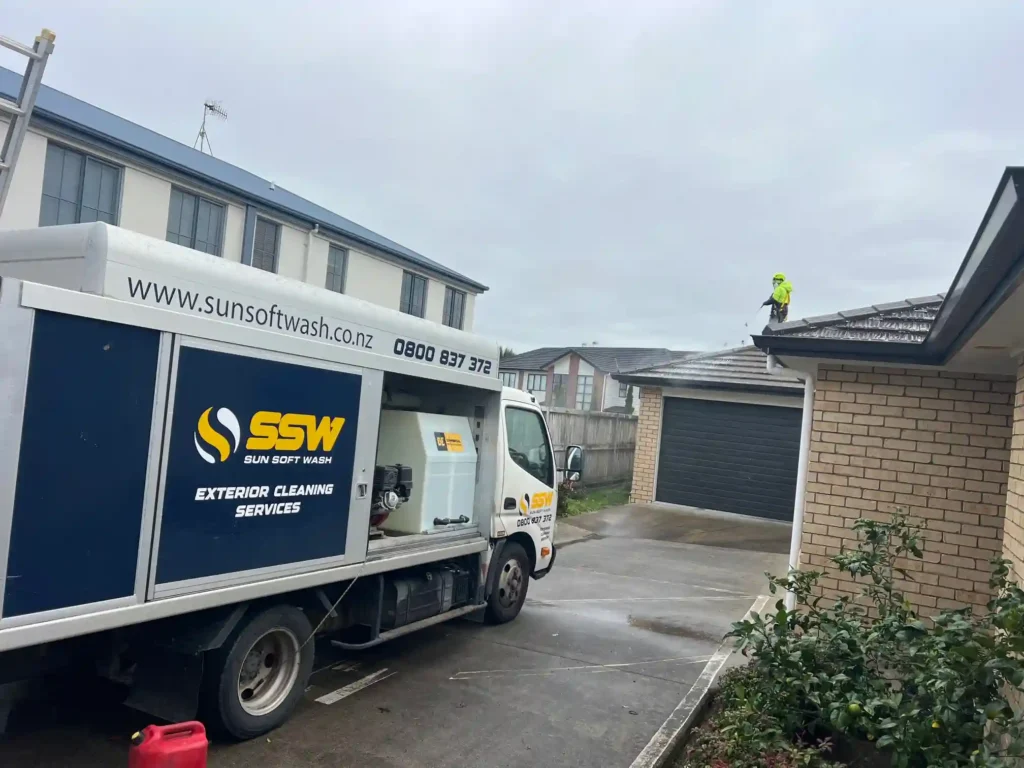
Common Areas That Need Pressure Cleaning
1. Car Parks
Oil stains, tyre marks, and algae accumulate fastest here. High traffic means buildup happens in weeks, not months.
Residents park daily on stained concrete. A dirty car park is the first thing buyers and potential tenants notice.
Algae growth is a safety concern. Wet algae on concrete becomes slippery. You’re liable if a resident falls. Pressure cleaning removes the growth before it becomes hazardous.
2. Entry Driveways
This is the building’s first impression. Weather staining, clay soil splash-back, and general grime show immediately on light-coloured concrete.
In Waikato and Auckland, clay-rich soil creates stubborn stains that bond chemically to concrete. Winter rain bounces debris off gutters onto driveways, leaving marks that look permanent if ignored.
3. Shared Walkways
Pedestrian traffic wears visibility fast. Algae and moss establish in shaded sections, making surfaces slippery. Residents walk here daily. The liability is real if someone is injured.
4. Courtyards and Gathering Spaces
These areas see regular use. Algae, moss, and grime accumulate visibly. Residents expect these spaces to look maintained.
5. Building Exteriors at Ground Level
Splashback staining, mould on shaded sections, and window surrounds collect dirt and organic growth. These surfaces affect building perception.
6. Gutter Surrounds and Downpipes
Debris clogs gutters. Water overflows onto driveways, creating staining and water damage. Mould grows in downpipe surrounds.
Why Pressure Cleaning Matters for Body Corporates
1. Resident Satisfaction
Dirty common areas generate complaints. Property managers field calls about neglected car parks and stained driveways.
These complaints force budget discussions and levy justifications. Clean common areas reduce complaints entirely.
2. Safety and Liability
Algae-covered walkways and car parks are slip hazards. If a resident falls on a slippery surface, they may claim the body corporate was negligent.
Insurance policies sometimes require regular maintenance documentation. Pressure cleaning creates a record of proactive maintenance.
3. Building Appearance
Common areas reflect the entire building. Residents judge building quality by car park condition, entry appearance, and walkway maintenance.
Renters and buyers assess buildings the same way. Poor appearance discourages new residents and reduces resale value.
4. Maintenance Prevention
Early cleaning prevents permanent staining. Moss and algae roots damage concrete and asphalt surfaces over time.
Regular cleaning stops damage before it requires expensive restoration. A $1,500 cleaning now prevents $5,000 in surface restoration later.
5. Professional Image
A well-maintained building signals good management. Residents trust that other maintenance is being handled properly. Potential renters and buyers perceive the building more favourably.
How Often Body Corporates Should Clean
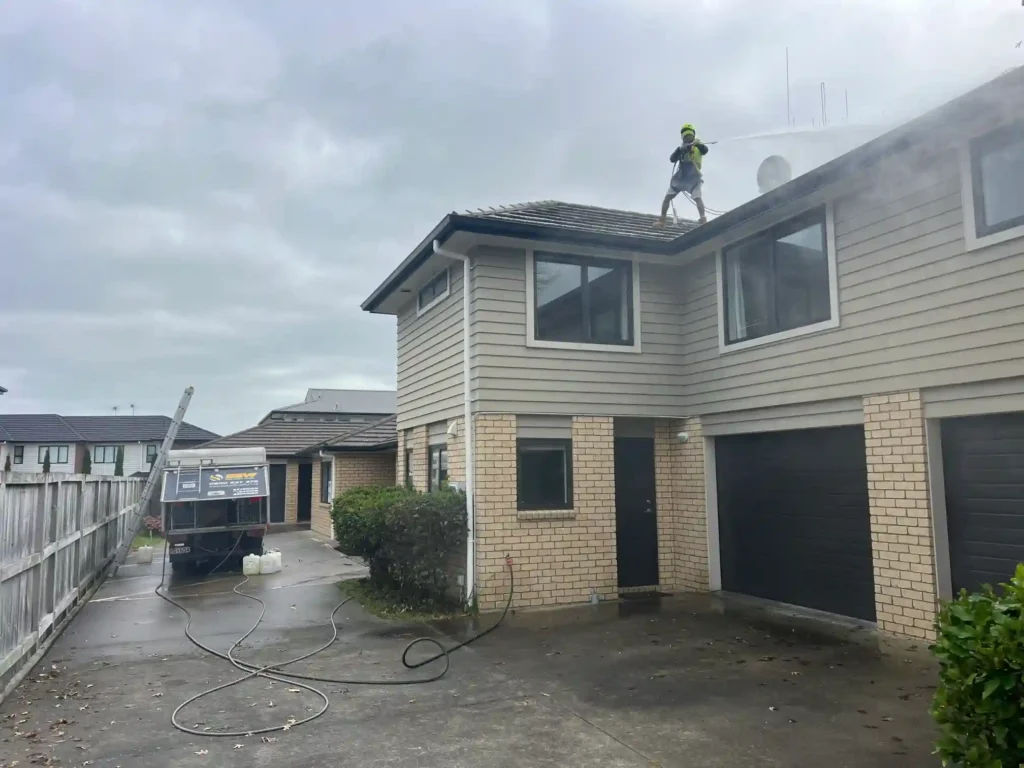
Car Parks
High-traffic complexes need cleaning 2-4 times yearly. Moderate-traffic buildings need 2-3 times yearly. Winter and wet seasons accelerate buildup, especially in Waikato and Auckland where clay soil and humidity dominate.
Driveways and Entry Areas
2-3 times yearly is typical. Wet climates require more frequent cleaning. Post-storm cleanup may be necessary after heavy rain or flooding.
Walkways and High-Traffic Pedestrian Areas
Quarterly cleaning (4 times yearly) works for busy complexes. Quieter buildings need twice yearly. Winter and spring see peak moss and algae growth.
Seasonal Reality
Autumn brings debris from trees. Winter accelerates moss and algae. Spring adds pollen and new growth. Summer creates heat-baked stains that are harder to remove.
Reactive Cleaning
Oil spills, damage, and major weather events require immediate one-off cleaning between scheduled service.
Most property managers find that regular contracts (quarterly or twice yearly) maintain appearance better than one-off cleans when buildup becomes visible.
Coordination and Access Challenges
Resident Parking
Car parks must stay accessible. Residents expect to park their cars. Pressure cleaning requires access to all areas. Some car parks need temporary relocation notices so residents can move vehicles before cleaning starts.
Advance Notice
Residents need notice that cleaning is happening. Communication should come from the property manager or body corporate, not the contractor.
Early notice gives residents time to plan. Many contractors work early morning or after hours to minimize disruption.
Health and Safety During Cleaning
Wet concrete is slippery. Water and chemicals need proper handling. Signage and barriers protect residents from hazards. Contractors should coordinate with the building manager on safety protocols.
Contractor Insurance
Professional contractors carry public liability insurance. This covers accidental damage during cleaning. Confirm insurance before booking.
Ask what happens if damage occurs. Reputable contractors document pre-existing conditions before starting work.
Access Complexity
Multi-level buildings have tight car parks. Narrow walkways create equipment placement challenges. Water and power access may be limited. Building layout affects how quickly work can be completed.
Lead Time
Contractors have seasonal demand. Spring and summer are busiest. Booking 2-4 weeks ahead ensures better scheduling. Winter scheduling is more flexible but weather delays are common.
Getting a Body Corporate Quote
1. Information Contractors Need
Building size (square metres of common areas). Number of units (indicates foot traffic and vehicle numbers). Building age and surface materials (concrete, asphalt, pavers).
Specific areas needing cleaning (car park, driveway, walkways, courtyards). Current condition (light dust versus heavy algae and staining). Photos of problem areas. Access details (gate restrictions, height limits, resident parking density).
2. How Pricing Works
Contractors quote per square metre or per visit. Regular contracts (monthly, quarterly, bi-annual) cost less per visit than one-off cleans. Larger buildings negotiate better rates because efficiency improves at scale.
3. Contract Options
3-month, 6-month, and 12-month contracts are common. Cancellation clauses vary. Price locks may apply for specific periods. Frequency can sometimes be adjusted seasonally (more frequent in winter, less in summer).
4. Key Questions to Ask
Are you insured for body corporate work? How do you coordinate with resident parking? What notice do you need? Can you work around parked cars? What if weather delays the job? Do you provide before and after photos? Are there extra charges for difficult access?
5. Timeline
Most contractors respond to quotes within 24-48 hours. Peak season (spring and summer) has longer lead times. First job usually happens within 2-3 weeks of booking.
FAQs
How do we budget for pressure cleaning in our levy?
Cleaning costs are maintenance expenses, not capital expenses. Budget $2,000-$10,000+ annually depending on building size and frequency.
Get quotes from 3-5 contractors to determine your actual cost. Most committees approve cleaning budgets easily once they understand the safety and liability benefits.
What if residents complain about water or noise during cleaning?
Early notification is the best prevention. Send residents notice 1-2 weeks before cleaning. Schedule work early morning (6-8 AM) or after hours.
Professional contractors minimise disruption by planning water flow and timing carefully. Most complaints disappear when residents expect the cleaning.
Can contractors clean if residents have cars parked everywhere?
Yes, but efficiency decreases. You can ask residents to relocate temporarily or the contractor can work around parked cars.
Advance notice helps residents plan to move cars before cleaning. Some buildings require residents to move cars by a certain time on cleaning day.
What if damage happens during cleaning?
Reputable contractors carry public liability insurance. Accidental damage is covered. Before contractors start, they document existing damage.
This protects both the body corporate and the contractor. Damage during cleaning is rare when professionals are hired.
Should we book one-off cleaning or a regular contract?
Regular contracts maintain appearance and prevent heavy buildup. One-off cleans cost significantly more per visit and deliver inconsistent results.
Residents are happier with regularly maintained areas. Most property managers find contracts work better for building perception and budget planning.
How do we choose between pressure washing and soft washing?
Concrete car parks and driveways handle pressure washing well. Some surfaces (older asphalt, painted concrete) need gentler soft washing.
Contractors assess your building during quoting and recommend the appropriate method. Ask what method they recommend and why.
Next Steps
Body corporates across New Zealand manage pressure cleaning as ongoing maintenance. Common reasons they book: resident complaints, safety concerns, appearance before sale or inspection, compliance requirements.
Getting quotes is low-risk research. Most contractors offer free site assessments and provide quotes within 48 hours.
Contact 3-5 providers to compare approach, pricing, and responsiveness. No obligation to book immediately. Quotes help budget planning.
Find contractors in your region through building maintenance networks, property management associations, or local recommendations. Ask other property managers which contractors they use.
Clean common areas reduce resident complaints, minimise liability, and maintain building value. Starting with professional quotes gives you the information needed to decide if and when to book.
