
Professional roof moss treatment in New Zealand lasts 2-4 years depending on your environment and roof characteristics. Auckland and Tauranga properties typically see 2-3 years due to high humidity and coastal salt exposure.
Hamilton and inland regions often reach 3-4 years with less moisture influence. Roof pitch, shade levels, nearby trees, and material type affect how quickly moss and mould return.
This guide explains what determines treatment longevity, regional differences across NZ, and how to recognize when your roof needs re-treatment.
How Long Does Treatment Last in Different NZ Regions?
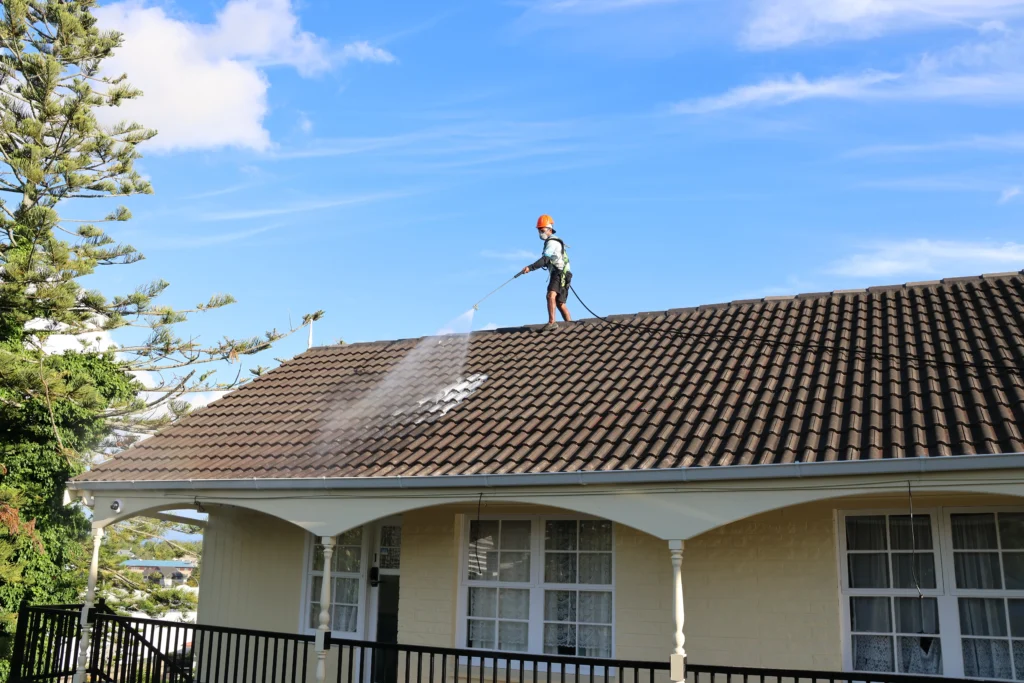
Professional roof treatment lifespan varies significantly across New Zealand due to climate differences.
Auckland & North Island Coastal Areas: 2-3 Years
High humidity year-round. Coastal salt accelerates moss regrowth. Properties in shaded areas or near mature trees see regrowth at the lower end (closer to 2 years).
Tauranga & Bay of Plenty: 2-3 Years
Similar to Auckland. Warm, humid climate with salt exposure. Mount Maunganui and Papamoa beachfront properties often need re-treatment every 2 years.
Hamilton & Waikato Region: 3-4 Years
Higher rainfall but less coastal influence. Inland humidity levels allow treatments to last longer. Properties in open, sunny locations can reach 4 years.
Inland & South Island: 3-4 Years
Lower humidity and more seasonal variation. Colder winters slow moss growth. Treatments typically reach the upper end of the range.
Note: These are typical ranges based on average conditions. Individual properties vary based on specific factors covered below.
What Shortens Roof Treatment Lifespan?
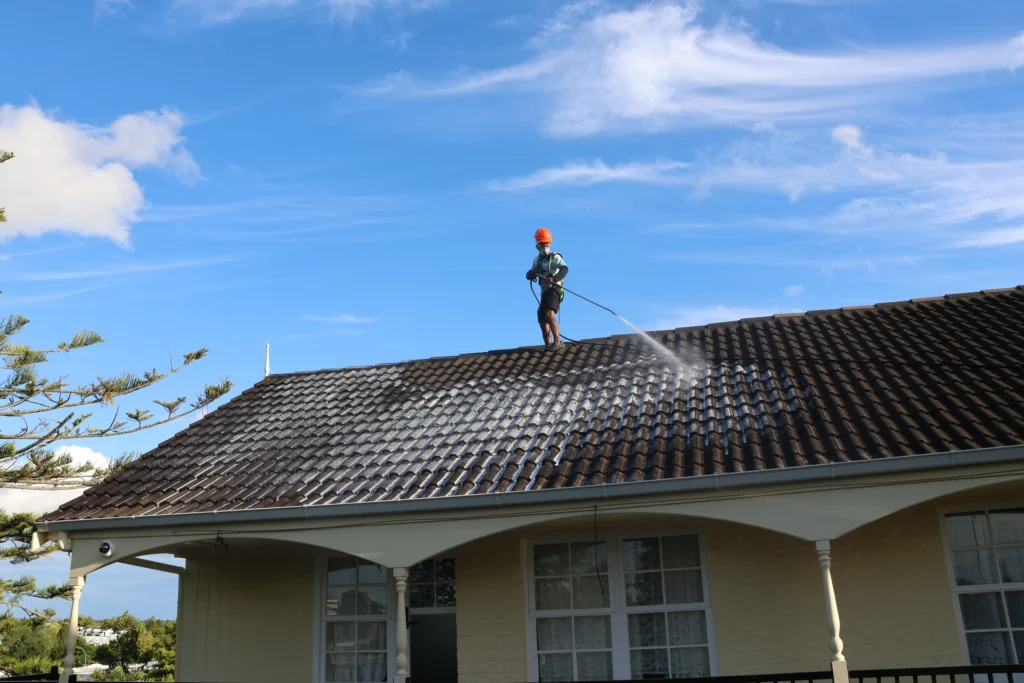
Six factors that reduce longevity:
1. Shade Exposure
Roofs under trees or blocked by neighboring buildings stay damp longer after rain.
Limited sun exposure means moss and mould regrow faster. North-facing sections (in NZ) receive less direct sun and see quicker regrowth.
2. Nearby Trees
Overhanging branches drop organic debris—leaves, seeds, pollen, bird droppings.
This material traps moisture and provides nutrients for moss establishment. Pine trees are particularly problematic due to needle accumulation.
3. Roof Pitch
Low-pitch or flat sections retain water longer after rain. Water pooling allows moss spores to establish before surfaces dry. Steep roofs shed water quickly, extending treatment effectiveness.
4. Roof Material
Concrete and clay tiles have porous surfaces that hold moisture. Moss roots penetrate more easily.
Metal roofs (Coloursteel) dry faster but still accumulate growth in valleys, edges, and shaded sections.
5. Climate & Microclimate
Properties in consistently damp microclimates see faster regrowth regardless of region.
Homes near rivers, in valleys, surrounded by vegetation, or with poor air circulation all experience shortened treatment lifespan.
6. Treatment Quality
Even application coverage and correct chemical concentration affect longevity. Professional treatment with proper technique lasts longer than DIY or rushed applications.
Signs Your Roof Needs Re-Treatment
1. Small Moss or Lichen Patches
Green or dark patches appearing on previously treated areas indicate regrowth. Early moss starts in predictable spots: shaded sections, roof valleys, along edges, under overhanging branches.
2. Dark Streaking or Discoloration
Black or dark green streaks indicate algae or mould returning. Most visible on north-facing sections or areas with limited airflow. Streaking typically appears before visible moss growth.
3. Organic Debris Accumulation
Leaves, seeds, or pine needles collecting in valleys or against ridges. This material traps moisture and accelerates moss establishment even after treatment has worn off.
4. Water Pooling or Slow Drainage
If gutters overflow during moderate rain despite being clean, moss may be blocking roof drainage paths. Moss growth obstructs water flow in valleys and along edges.
5. Treatment Timeline
If your roof was last treated 2+ years ago (coastal areas) or 3+ years ago (inland areas), schedule an inspection even if no visible growth appears.
Early re-treatment costs less: Spot-treating small patches is cheaper than full re-treatment after heavy moss returns.
Does Treatment Type Affect How Long It Lasts?
Professional Treatment with Preventative Application
Moss/mould removal plus chemical treatment that inhibits regrowth. This provides the 2-4 year lifespan described above. Treatment penetrates surfaces and prevents spore establishment.
Pressure Washing Alone
Removes existing growth but applies no preventative chemical. Moss can return within 6-12 months, especially in high-humidity areas. The surface is clean initially but unprotected against new spores.
DIY Moss Killer Products
Retail products vary widely in effectiveness. Most provide 6-18 months of protection. Coverage is often inconsistent—missed spots or thin application allow regrowth to start early.
Professional Treatment Quality Factors
Even coverage across entire roof surface. Correct chemical concentration for NZ conditions. Proper application technique (not rushed). These all affect how long protection lasts.
How to Maximize Treatment Longevity
1. Trim Overhanging Branches
Reduces debris accumulation and increases sun exposure. Both factors slow moss regrowth significantly. Creates better air circulation over roof surface.
2. Keep Gutters Clear
Prevents water backup that saturates roof edges and valleys. Clean gutters twice yearly (spring and autumn). Proper drainage supports treatment effectiveness.
3. Annual Visual Inspection
Check for early regrowth after winter (September/October in NZ). Early spot treatment is cheaper than full re-treatment. Use binoculars from ground level or hire professional inspection.
4. Address Underlying Moisture Issues
Properties with poor roof ventilation, blocked valleys, or drainage problems will see faster regrowth regardless of treatment quality. Fix these issues to extend treatment lifespan.
Realistic Expectation: These actions can extend treatment from 2 years to 3 years, or 3 years to 4 years. They won’t make treatment permanent.
Is Roof Treatment Worth the Cost?
Annual Cost Breakdown
Treatment costs $199-$299 depending on roof size. Spread over 2-4 years, annual cost is $50-$150 per year. Compare this to roof damage repair costs (hundreds to thousands).
Roof Material Protection
Moss roots penetrate tile and concrete surfaces. Left untreated, this causes:
- Surface deterioration and pitting
- Cracking and material breakdown
- Premature tile or panel failure
- Water infiltration into roof structure
Prevention vs Repair Costs
Re-roofing costs $8,000-$25,000+ for average NZ homes. Replacing damaged sections costs $2,000-$5,000. Regular treatment at $50-$150/year prevents these expenses.
Property Value Impact
Visible moss affects curb appeal during property sales. Real estate agents note that mossy roofs reduce buyer perception of property maintenance. Treatment maintains exterior appearance.
Insurance Considerations
Some insurers require proof of roof maintenance. Regular treatment provides documentation of preventative care.
When to Schedule Re-Treatment
Don’t Wait for Heavy Buildup
Re-treat when you first notice small patches returning. This is typically:
- 2-3 years after initial treatment (coastal areas)
- 3-4 years after initial treatment (inland areas)
Best Time of Year in NZ
Spring or early summer (September to December) in most regions. Allows treatment to work during drier months before winter moisture returns. Chemical effectiveness depends on some dry time after application.
Seasonal Considerations
Avoid mid-winter treatment (June-August) when roofs stay consistently damp. Treatment works best when applied to dry surfaces with forecast dry weather for 24-48 hours after application.
Planning Ahead
Book treatment 2-4 weeks in advance during peak season (September-January). Weather delays are common—allow flexibility in scheduling.
Common Questions About Treatment Longevity
How long does professional roof moss treatment last in Auckland?
2-3 years typically. Auckland’s high humidity and coastal exposure accelerate moss regrowth compared to drier inland regions. Properties in shaded areas or under trees may see regrowth closer to 2 years.
What makes moss grow back faster on some roofs?
Shade, nearby trees, low roof pitch, and porous materials (concrete/clay tiles) all promote faster regrowth. Properties in damp microclimates—near rivers, in valleys, or surrounded by vegetation—see shorter treatment lifespans.
Can I extend how long roof treatment lasts?
Yes. Trim overhanging branches, keep gutters clear, ensure proper roof ventilation, and address drainage issues. Annual inspections catch early regrowth before it becomes established. These actions can extend treatment lifespan by 1-2 years.
Is roof moss treatment worth doing regularly?
Yes. Regular treatment ($199-$299 every 2-4 years) prevents roof damage that costs significantly more to repair. Moss roots penetrate and damage tile and concrete surfaces. Annual cost works out to $50-$150/year—far less than roof repairs or replacement.
How do I know when my roof needs re-treatment?
Watch for small moss or lichen patches, dark streaking, organic debris accumulation, or water pooling in gutters. If your roof was treated 2+ years ago (coastal) or 3+ years ago (inland), schedule an inspection even without visible growth.
Does DIY moss killer work as well as professional treatment?
DIY products typically last 6-18 months vs 2-4 years for professional treatment. Coverage is often inconsistent, chemical concentration may be incorrect for NZ conditions, and application technique affects results. Professional treatment provides more reliable, longer-lasting protection.
Closing Section
If your roof was treated 2+ years ago and you’re noticing early regrowth, re-treatment now prevents heavier buildup and extends roof material lifespan.
Book a roof treatment: Contact Sun SoftWash at 0800 837 372 or visit our roof treatment service page
